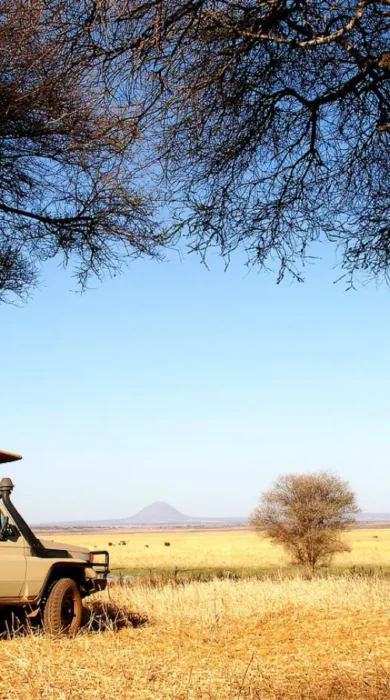
Tarangire National Park Safaris
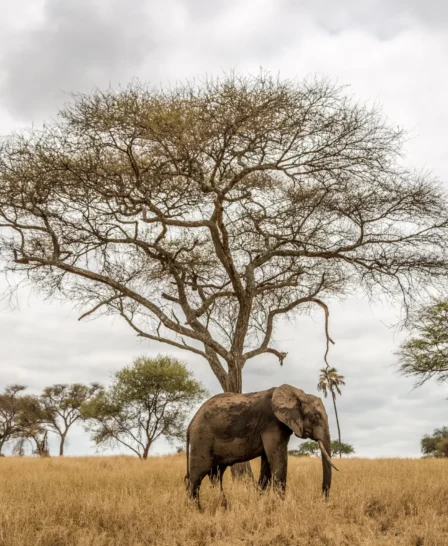
Tarangire is the lesser known, quiet gem of the northern safari circuit. It is a favourite amongst Tanzania’s guides due to a migration of approximately 3,000 elephant that peaks from July to November.
When to go to Tarangire National Park
Best Time to Go
The Quieter Gem of the North
Different habitat to Northern neighbours
Famous for its elephant migration
Tanzania’s only national park to offer night drives

Tanzania’s Hidden Safari Gem
Offering a completely different habitat from its more famous neighbours at Ngorongoro and Serengeti, Tarangire’s habitat is much more similar to that of the parks in southern Tanzania, especially Ruaha. Tarangire’s most appealing charm is its lack of visitors and its sheer size. Tarangire dwarfs Lake Manyara, and takes fewer visitors! Those that do travel this far tend to visit for a short period of time, and see only the northern sectors of the park before they rush off elsewhere. This leaves the south of the park feeling truly remote and free of tourists.
Tarangire National Park Trips

Activities & Wildlife
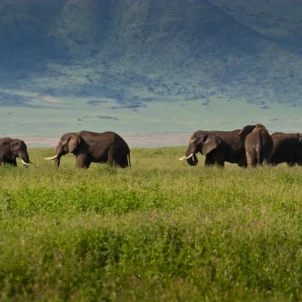
A seasonal safari destination with a famous annual elephant migration, Tarangire has a broader range of activities than any other northern park, set within a stunning landscape of baobab forests and the Tarangire River.
Game drives
Night drives and walking safaris
Fly Camping
Wildlife
Birdlife
-
Tarangire is very seasonal. But when it is in season, it can offer some of the finest wildlife experiences in Tanzania. It is only in the dry season (July–Oct) that you want to visit this park. This is when it welcomes thousands of elephant herds from miles around. The elephant migration takes over the park and brings it to life. As the hot, dry months start to hit, the smaller water sources disappear and wildlife congregates at the Tarangire River.
Each lodge in Tarangire National Park offers slightly different activities, but the majority still focus on classic game drives, taking in the impressive species and beautiful landscapes found in the park.

The main activity inside the park has always been standard game drives, but over the last few years TANAPA (the National Park Authority) has introduced several activities that are the envy of other national parks. Tarangire is the only national park in Tanzania where it is possible to do night safaris, as well as walking safaris and fly camping. This makes it the northern park with the greatest diversity of safari activities – a real gem of the Northern Circuit!
You can head out into the bush with your guide and enjoy learning more about the wildlife, flora, insects, and dung. Or stay out beyond sundown and see what nocturnal creatures you can spot in the dark. Most big cats do their hunting at night, so sometimes you can come across a predator with its prey.
This is a camping event beneath the stars, so you can get even closer to what it feels like to be in the African bush! Each lodge will have its own slightly different arrangement, but what remains the same is that you have a night away from the main camp, dine privately beneath the stars in a glorious location, then sleep in a more simple accommodation (sometimes a treehouse). It’s the sounds of the bush at night and the feeling of being truly in the wild that is the draw here. Of course, your guides are always close at hand and you always have contact with the main camp.
Tarangire’s most impressive feature is the park’s elephant migration (July–Oct), when huge herds push through to Tarangire’s river system and swamps during the dry season. At this time, Tarangire contains the greatest number of elephant in northern Tanzania. There are plenty of lion and leopard present throughout the year. While cheetah are relatively rare, hyena, jackal, and wild dog are often found in Tarangire.
It is the herbivores that contribute most to the overall wildlife count in Tarangire. In addition to the enormous numbers of elephant, you’ll find wildebeest, zebra, eland, impala, greater and lesser kudus, dik-dik, Coke’s hartebeest, Thomson’s gazelle, giraffe, buffalo, reedbuck, waterbuck, warthog, hippopotamus, mongoose, rock hyrax, and even the fringe-eared oryx and the gerenuk!
Birds frequent Tarangire in breathtakingly large numbers. Over 500 species have been recorded to date, making it truly a birdwatcher’s paradise! As the topography of Tarangire is so vast and varied, there is an outstanding range of feathery friends to encounter – ostriches, eagles, lovebirds, weavers, barbets, parrots, pelicans, nightjars, starlings, babblers, and the intriguingly named ‘bare-faced go-away bird’! Be sure to pack your binoculars if birding is your thing
With diverse habitats, varied activities, and superb dry-season game viewing, Tarangire is a real hidden gem that complements the better-known Ngorongoro and Serengeti perfectly. Famous for its magnificent baobab trees, exceptional birding, and massive elephant herds, particularly during the dry season from July to October, it is a fabulous place to start your Tanzania safari.Talk to someone who’s been there
Real expertise doesn’t come from a few trips to Africa. All our specialists have either been guides, run the camps, or grown up and lived in Africa. That’s over 600 years of genuine safari experience.Good to Know
01.Can I see the Big Five in Tarangire?
Unfortunately, due to the lack of rhino in Tarangire, it is not possible to view the Big Five here. However, Tarangire is one of the most famous places in Africa to see elephant. Approximately 3,000 elephant descend into the Tarangire swamp system in the peak of the dry season – it is a quite phenomenal site. Buffalo are common also, as are lion, but viewing leopard is tricky here. Over a three-day stay we would expect you to be lucky enough to view leopard, but it can’t be guaranteed.
02.When is the best time to travel to Tarangire National Park?
Tarangire is a classic dry-season park. July through to October is when the big herds concentrate on the Tarangire River system – this is the best time of year to travel. Out of season is a great time to travel here as visitors will find a park delightfully void of visitors and access it for the amazing low-season prices. Of course, resident game remains and the park is still fascinating in our opinion – but there is a noticeable drop in game densities when the herds leave.
03.What are the best accommodation options?
Tarangire is generally quieter than its less well-known neighbours in Tanzania’s northern safari circuit. This beautiful region of baobabs and impressive elephant herds is home to some great accommodation options, including Kuro, Oliver’s and Swala, Lemala and Mawe Ninga.
Speak to an Expert
Let one of our Yellow Zebra specialists design
your tailor‑made African adventureAs Seen In