Akagera National Park
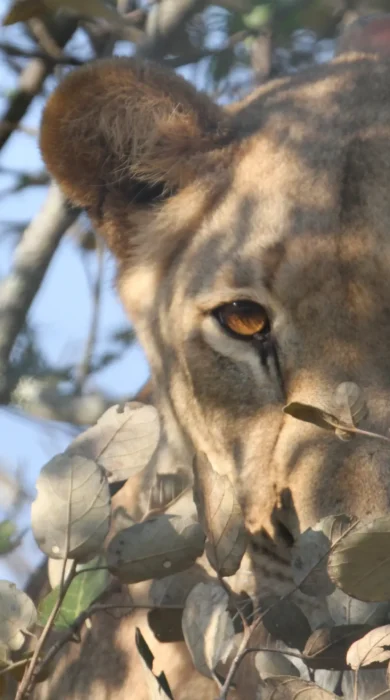
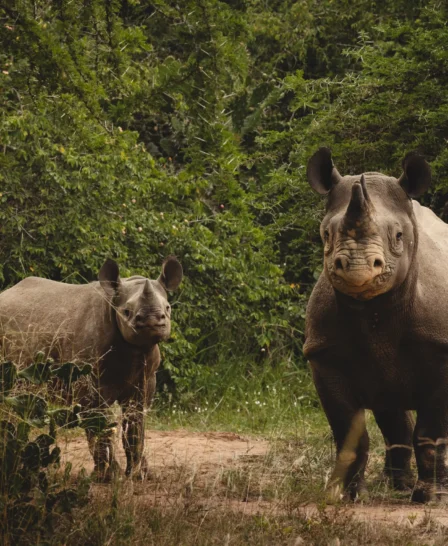
Akagera is the only national park in Rwanda that contains all Big Five species – lion, rhino, leopard, elephant, and buffalo!
When to go to Akagera National Park
Best Time to Go
Rwanda’s only Big Five park
Wide variety of activities
Largest protected wetlands area in Central Africa
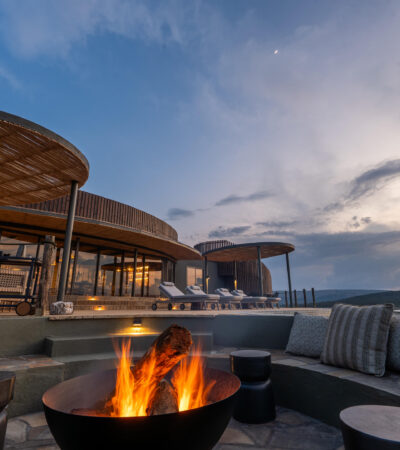
Wilderness Magashi: redefining luxury
Rwanda’s Must-See Region
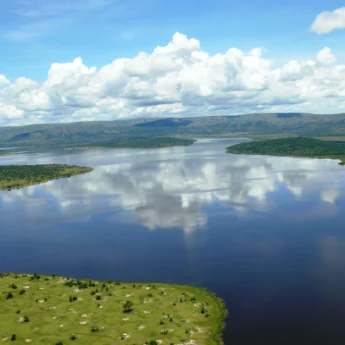
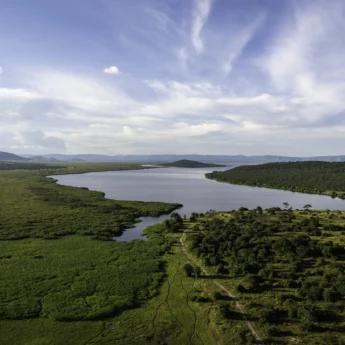
The park’s other claims to fame are that it’s the largest protected wetland area in Central Africa, and it’s Rwanda’s only refuge for savanna-adapted wildlife.
Covering approximately 1,120 square kilometres, Akagera is situated in the east of Rwanda, adjacent to the country’s border with Tanzania. The national park can be accessed via road transfer from Kigali International Airport, a journey of about two-and-a-half hours.
Akagera National Park Trips


Activities & Wildlife
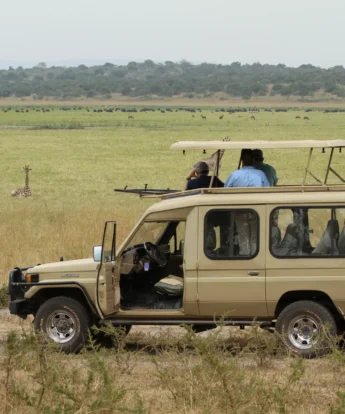
Akagera is Rwanda’s only Big five savanna safari destination and safari-goers can look forward to classic activities including game drives and boat trips.
Wildlife and birdlife
Game viewing
Culture and conservation
-
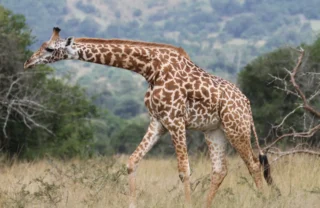
Akagera’s beautiful highlands, sprawling plains, swamplands, and lakes are home to a real wealth of wildlife. Seven lions were reintroduced in 2015, followed by 18 eastern black rhinos two years later to complete the Big Five group. Safarists can also expect to see hyenas, jackals, Maasai giraffe, Burchell’s zebra, and an excellent assortment of antelopes including eland, oribi, sable, roan, bushbuck, reedbuck, and waterbuck. The park’s waters contain both hippo and crocodile. And the birding is pretty special too, with highlights such as storks, eagles, herons, egrets, and the majestic crowned crane among its 480 or so species!

Activities in Akagera focus on observing all of these predators, herbivores, and birds, via game drives, walking safaris, and boat trips.
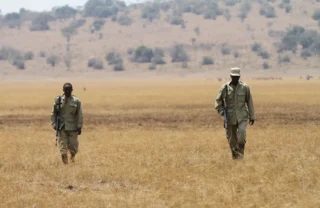
Cultural visits to local villages and communities are available too, as well as behind-the-scenes tours of the national park headquarters. You can even learn about Akagera’s fence line, in an activity called ‘Walk the Line’, accompanied by an armed scout and a trained guide. This is a great opportunity for anyone interested in the running of the park.
Our Favourite Camps
-
Wilderness Magashi
From AU$1,806 – AU$2,204 ppWilderness Magashi offers a very high-end base camp from which to explore Akagera. As this national park is a lesser-visited area in Rwanda, the prices for Wilderness Magashi are very reasonable and designed to appeal. So for a great-value safari, offering…
-
Wilderness Magashi Peninsula
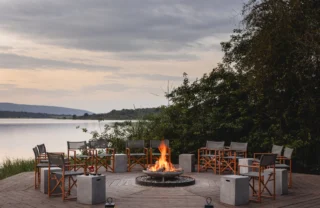
From AU$4,080 – AU$5,047 ppWilderness Magashi Peninsula is a supremely luxurious safari camp on the shores of Lake Rwanyakazinga within Rwanda’s diverse Akagera National Park. Guests here enjoy wonderful boating and wildlife viewing, including sightings of tree-climbing lion as well as…
History
The park was gazetted for the first time in 1934. At that time, it comprised 2,500 square kilometres. The loss of land occurred from 1997, when refugees from Rwanda’s civil wars returned to the area to set up farms and to poach game species. This led to the regazetting of Akagera, a substantial size reduction.
Fortunately, the year 2009 brought change for the better, in the form of a renewable 20-year agreement to manage the park. Entered into jointly by the Rwanda Development Board and the African Parks Network, this agreement includes, most significantly, financial assistance to ensure the security of the national park and to reintroduce species that had become extinct due to poaching.
Talk to someone who’s been there
Real expertise doesn’t come from a few trips to Africa. All our specialists have either been guides, run the camps, or grown up and lived in Africa. That’s over 600 years of genuine safari experience.Speak to an Expert
Let one of our Yellow Zebra specialists design
your tailor‑made African adventureAs Seen In