A Guide to the Serengeti Great Migration in July

Tanzania’s Serengeti Great Migration
The Serengeti is the ‘mother’ of all safari parks and the Great Migration one of the planets most impressive wildlife events; this is a park that epitomises the very essence of safari. Home to the largest herds on earth and with Africa’s Big Five on show, the Serengeti is one of those rare places that exceeds your expectations.
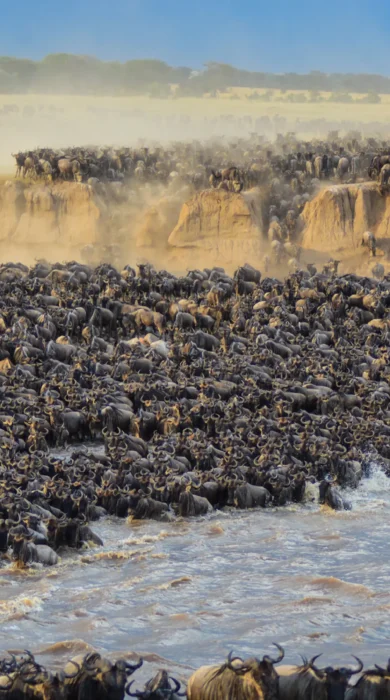
The 1.5 million-strong ‘Wildebeest Great Migration’ is the park’s major attraction and the majority of trips to the Serengeti should be designed around it. In this 12-part month by month blog series, I look at each month’s movements of the herds and all the other wildlife caught up in the action. I will also link you to my suggestions for the best places to stay throughout the year, to make sure you’re in the thick of the herds whenever you travel. And there are a few suggestions for how you might like to combine your Great Migration trip with other areas. Intrigued? Read on…
A Guide to the Serengeti Migration in July
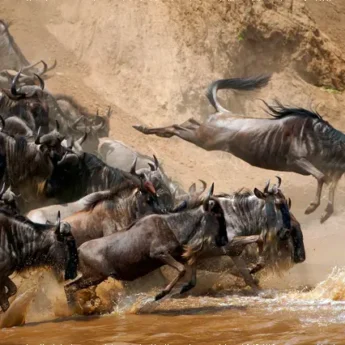
In early July the big herds are making their final push towards the dry season grazing grounds of the northern Serengeti and the Maasai Mara. Here you’ll see the big river crossings, but it is difficult to predict when the first mega river crossings will begin. By the middle of July, the main herds should be in the northern Serengeti and moving farther north into the Maasai Mara, and this is when the first of the big river crossings will occur.
Therefore, for the first two weeks of July, the focus should be the centre area of the park and Lobo in the north. It’s a time of year when I would suggest splitting your time in the park between two camps in two different areas. For the last two weeks of July the focus should be firmly in the north with Lobo a focus, as well as the Mara river area around Kogatende and the Lamai Wedge with the expectation of river crossings.
What Parks Are Best to Combine With the Serengeti in July?
This is a very difficult topic – because the vast majority of Tanzania is superb in July! I’ve always found it helps clients to consider options for trips that stay just in northern Tanzania, and then options that include the south and west.
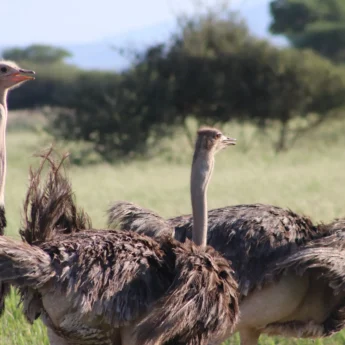
The North
- The Ngorongoro Crater is virtually impossible to turn down. This spectacular game-drive area may be busy, but how often are you going to have the opportunity to drive on the floor of an extinct volcano… and with one of the highest densities of animals anywhere all around you?! The setting is nothing short of exceptional but if you want to avoid the crowds there is a strong argument for missing it out in July and August.
- The Serengeti is vast. In July the herds are on the move so I’ve always believed the best trips involve two locations in the park to maximise your chance of seeing the ‘mega’ herds (Grumeti in the west and Lobo or even Kogatende in the far north if travelling from the 10th/15th onwards).
- Tarangire is a fantastic choice in July. This park is most famous for its elephant herds which start to mass on Tarangire’s rivers and swamps from July onwards. It is a wonderful, off the beaten track gem of a safari park we would include given half a chance!
- Nearby Lake Manyara is always a nice ‘soft’ introduction to the region. Famous for its tree climbing lions it is a busy park in terms of tourists and for that reason, is a location that splits opinion amongst guides. It’s interesting for an afternoon drive on a first day.
- My secret spot in the north is Lake Natron, for the quality of walking, the sheer beauty of the volcanic scenery, and the fact you are far off the tourist track – I think it’s well worth a visit. You have to want to be adventurous, though!
The South and West

- July also sees southern and western Tanzania come into their peak seasons, so cross-country adventures in July are well worth it! Tanzania’s west is the place of safari enthusiasts and chimpanzees. Katavi is as wild a park as anywhere I’ve been, while Mahale is the finest destination in Africa for viewing chimps. The cost of trips out here takes prices to another level (flights are over $1,000pp alone!), but the experience is truly special.
- Try to be slightly clever with your budget, however, and Tanzania’s Ruaha is a cracking park where big game is at its best. I love designing trips that focus on the Serengeti and Ruaha…the value and authenticity is superb whilst the predator concentrations are unrivalled. Likewise, nearby Nyerere National Park (formerly Selous) offers amazing boating safaris and a different experience overall.
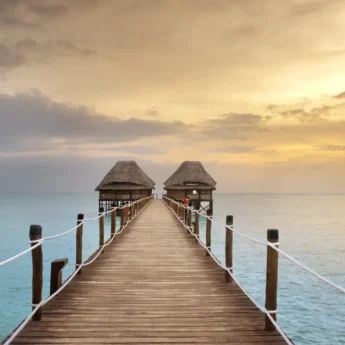
The Beaches
Finally, the beaches of the Zanzibar Archipelago or Tanzania’s mainland coast are superb. Mozambique is also excellent but tricky to include due to difficulties with flights. Further afield and the Seychelles or Mauritius are superb.
The Best Serengeti Safaris in July
The major decision that needs to be made is whether you include the Ngorongoro Crater. As visually stunning and game rich as it is, I cannot stress how incredibly busy this park is in July and August….and would urge clients to avoid it if they want an authentic safari experience.
If you are looking to stay in northern Tanzania then a combination of Tarangire, the Crater and the Serengeti is the trip I would do. We can be clever with internal flights and only do a one night Crater stay that means you see the Ngorongoro quickly and move on, making the most of the area. Alternatively, miss out the Crater area altogether and simply focus on the two migrations – the elephants in Tarangire and the Serengeti’s wildebeest Great Migration.
A trip I always love designing however is the Serengeti for the river crossings and Ruaha in central Tanzania for sheer wilderness and predators! These two areas have such unbelievably good game, complement each other in terms of very different habitats. Ruaha will always be one of my top three big game parks. If you have slightly longer then including the boating in Nyerere National Park (formerly Selous) is a great way to finish.