
Amboseli National Park & Chyulu Hills Safaris
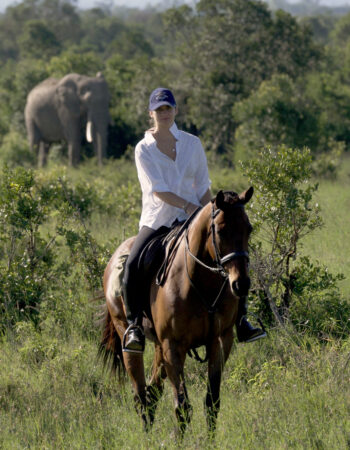
Amboseli has a lot to recommend it as a safari destination, not least its reputation as the best place in Africa for getting up close to free-range elephants!
When to go to Amboseli and Chyulu Hills
Best Time to Go
Kenya’s second most popular National Park
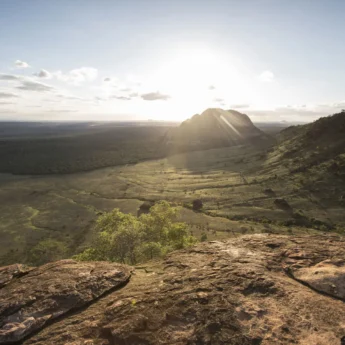
Mountain range topped with hundreds of volcano cones
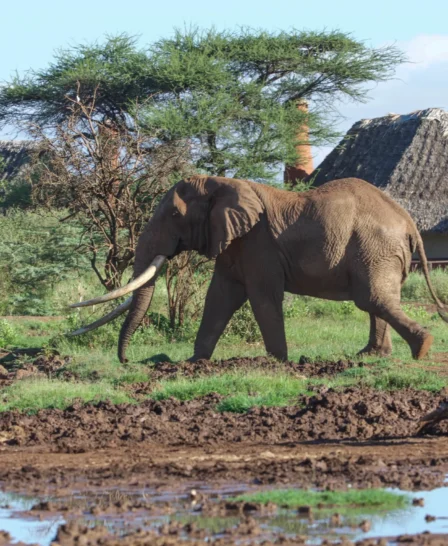
Best place to get close to wild elephants
An array of wildlife
Land of Safari Giants
Neighbouring Amboseli is Chyulu Hills National Park, dividing the plains of Amboseli and Tsavo National Park. The Hills comprise a mountain range topped with hundreds of volcano cones. It is still considered an active volcano site, although the last eruptions occurred in 1856. With terrain that includes highland forest and woodland savanna, Chyulu Hills provides a dwelling for a host of wildlife!
Amboseli and Chyulu Hills Trips


Activities & Wildlife
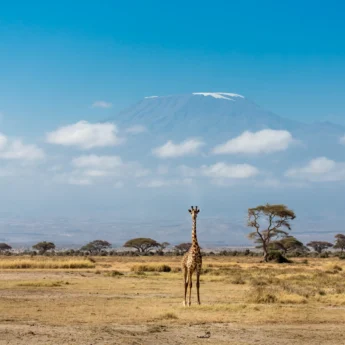
There are several separate conservancies within Amboseli, all of which share good levels of wildlife. The stunning backdrop of Kilimanjaro is often the main draw here.
Wildlife
Chyulu Hills
Birdlife
Cultural experiences
-
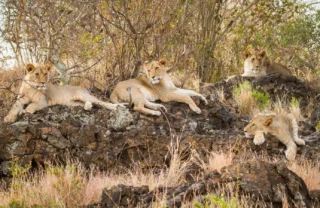
Four of the Big Five may be sighted here – lion, leopard, buffalo, and elephant. If you want to get up close to elephant, Amboseli is one of the best places in Africa to do it! If you are patient, you can take your own photo of large tuskers passing in front of Mount Kilimanjaro – one of the most iconic images you can capture in Kenya!
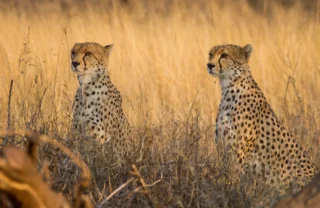
There might not be any rhino in the area, but there is plenty of excitement thanks to predators such as cheetah, spotted hyena, and jackals. Herbivore numbers are impressive too, including many Thomson’s and Grant’s gazelles, Burchell’s zebra, Maasai giraffe, wildebeest, hartebeest, eland, and waterbuck. Hippo pods can be found in the west of the region, in Lake Kioko.

Often called ‘The Green Hills of Africa’, this young, volcanic mountain range is swathed in lush, green, cloud forest and offers stunning views of Mount Kilimanjaro. Wildlife numbers are lower than its neighbours, Tsavo West and Amboseli, but you can still see the Big Five on the lower western slopes. There are plenty of birds in the lowlands too, ranging from martial eagle to white-starred robin.
This is a landscape of ancient lava flows and lava tubes. A visit here offers an intimate walking safari led by Maasai guides, along with classic game drives and scenic hiking in the foothills. Although wildlife densities are not that of other parks, you can see large buffalo herds, giraffe, bull elephants, various gazelles, leopard, and plenty of birdlife.
Bird populations in Amboseli are also very impressive, with more than 400 species recorded to date! Waterbirds are particularly prevalent and the park is also home to a few endangered species – among these, lesser kestrel, lesser flamingo, and Madagascar pond-heron. There are bee-eaters too, in addition to bustards, buzzards, crakes, cranes, eagles, egrets, falcons, francolins, geese, goshawks, harriers, herons… and that’s just the beginning of the alphabet! If you love birding, you will love Amboseli.
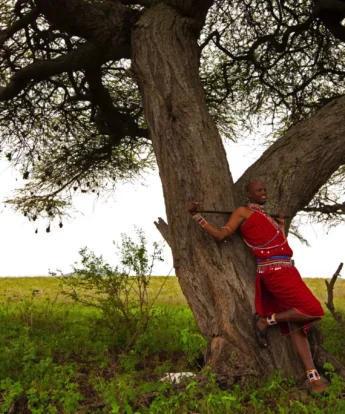
Activities in both Amboseli and Chyulu Hills are mainly focused on the wildlife, but many camps and lodges offer cultural excursions as well, such as Maasai homestead visits. If you have time to include this in your trip, it is a great way to get to know the local people and to appreciate Amboseli in a broader historical context. There may be better opportunities for cultural visits on your trip, so chat to your specialist about the best location to do this on your itinerary.
History
Amboseli has an interesting history, ranging from the time of the hunter-gatherers to the arrival of the Chagga, Kamba and Maasai tribes centuries ago. In 1883, explorer Joseph Thomson mapped a safe trade route inland, sparking the arrival of colonial settlers. The Southern Maasai Reserve was created in 1899, restricting Maasai lands until 1948, when Amboseli Reserve was established. National park status followed in 1974, and UNESCO Biosphere designation in 1991. Mount Kilimanjaro, the highest mountain in Africa, stands over the park and Amboseli’s swamps, fed year-round by Kilimanjaro’s meltwater, sustain prolific wildlife across contrasting landscapes, which include verdant wetlands, dry lakebed, and woodlands, making the park one of Kenya’s most spectacular safari destinations.
Talk to someone who’s been there
Real expertise doesn’t come from a few trips to Africa. All our specialists have either been guides, run the camps, or grown up and lived in Africa. That’s over 600 years of genuine safari experience.Speak to an Expert
Let one of our Yellow Zebra specialists design
your tailor‑made African adventureAs Seen In