
Damaraland Safaris
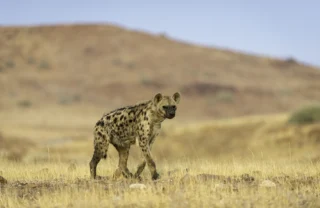
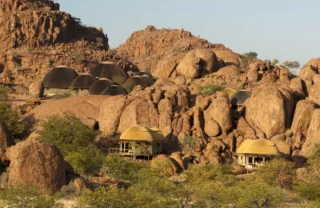
Damaraland is a wild and unique landscape that is home to a surprising density of desert-dwelling game, including desert elephant and rhino.
When to go to Damaraland
Best Time to Go
A wild & unique landscape
The North has fewer tourist numbers
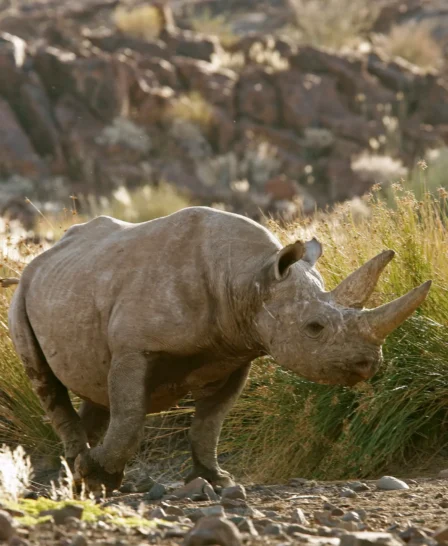
Desert-adapted wildlife
Rock art at Twyfelfontein
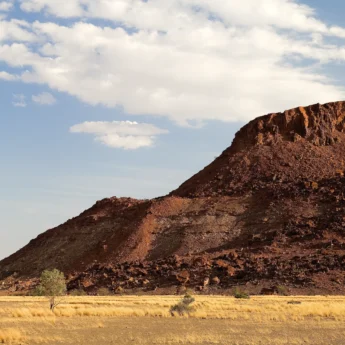
Impressively Rugged & Remote
Home to Namibia’s desert elephant and the endangered black rhino, Damaraland is one of Namibia’s true highlights. Damaraland is located approximately one hour’s flight north-east from Swakopmund. As with much of Namibia, Damaraland has beautiful scenery, but the underlying lava of this area creates a somewhat bizarre habitat unique to this part of Namibia. The southern part of Damaraland is an area we rarely use, as it is so easily accessible that it tends to get crowded. However, the gallery of rock art at Twyfelfontein deserves a special mention – it could rival the Louvre!
We encourage our clients to travel north, as northern Damaraland has the highest concentration of game and very few people. The further north-east you move, the more you leave the actual desert, and the more vegetation you start to see. Here also, the first concentrations of game start to appear, specifically desert elephant and rhino. Damaraland’s desert rhino and elephant deserve a special mention as they are two of Namibia’s unique game-viewing attractions, regarded by many as the game-viewing highlights of the country.
Damaraland is not a ‘tick-the-box’ big game destination. However, it does offer a subtle, sophisticated game-viewing experience. Here, your patience is rewarded by sightings of some of the most unique species left on the continent today.
Damaraland Trips

Activities & Wildlife
Damaraland offers a range of activities including tracking the desert wildlife and cultural excursions.
Track desert wildlife
Cultural activities
Hiking and hot air balloons
-
This part of Namibia is not known for its volumes of wildlife, certainly not compared with the ‘classic’ safari regions. However, there is game to be spotted – you just have to work a little harder! The rewards are encounters with rare, specially adapted desert species. Your guide will help you track and seek out lion, the oryx (Namibia’s national animal), kudu, desert-adapted elephant, and, if you’re lucky, the rare black rhino.
The dry riverbeds of the Huab and Ugab rivers are vital pathways for wildlife and often are where you can see larger game. Your guide will also teach you about the flora, insects, and many types of lizard that live in this arid wilderness. Getting out on foot is the best way to approach wildlife and learn about the terrain.

If past civilisations and their history is of interest to you, then Damaraland is something of a haven. There are plenty of UNESCO-listed rock artworks to visit. Twyfelfontein is an UNESCO World Heritage Site, with more than 2,000 San bushmen ancient rock engravings. You can do guided walks through Twyfelfontein and Brandberg (with its famous ‘white lady’ painting), learning about ancient cultures and practices. There are spectacular rock formations, formed by millions of years of volcanic activity.
You can also visit local Damara communities and learn about their current ways of life. For example, you’ll find out how they live in this arid and unforgiving environment, what they eat, and what their customs are now.
With such beautiful, dramatic scenery on offer, many people like to go on walks or hikes through Damaraland. The Spitzkoppe region is excellent for this, with no shortage of awe-inspiring rock formations and views. It has an incredible collection of 700-million-year-old peaks rising from the desert. You can choose how long and how difficult you’d like your walk to be, ranging from a gentle stroll, to a proper trek over mountainous terrain.
You can also take to the skies! Africa is known for its spectacular locations for hot air ballooning, and Namibia offers some of the best. Exactly where on your trip you’d like to do this can be discussed with your Namibia specialist. This activity needs to be pre-booked and at extra cost.
Damaraland tells a fascinating story. Ancient nomadic bushmen left rock engravings here that reveal a greener, very different landscape to the one you see now. Among the rocky valleys and flat-topped hills, desert-adapted elephants still roam, and tracking black rhinos gives you a direct connection to vital conservation work. A true trailblazer’s experience.Talk to someone who’s been there
Real expertise doesn’t come from a few trips to Africa. All our specialists have either been guides, run the camps, or grown up and lived in Africa. That’s over 600 years of genuine safari experience.Good to Know
01.What wildlife will I see in Damaraland?
If you’re after the full Big Five in a single game drive, Damaraland isn’t your spot. But if the thought of tracking desert-adapted elephants and black rhino in wild, rugged landscapes gets your heart racing – this is exactly where you want to be. It’s remote, raw, and all about quality over quantity.
02.When is the best time to travel to Damaraland?
Namibia is a stunning destination for much of the year. However, it can become extremely hot around mid-November and this weather won’t be suitable for all kinds of travellers. Namibia becomes much more comfortable temperature-wise from mid-March.
Speak to an Expert
Let one of our Yellow Zebra specialists design
your tailor‑made African adventureAs Seen In