Nyerere National Park Safaris
Nyerere National Park is Africa’s largest game reserve and one of Tanzania’s most beautiful parks. Famous for its boating safaris, as well as being the finest destination in Tanzania for walking safaris.
When to go to Nyerere National Park
Best Time to Go
Africa’s largest game reserve
Tanzania’s best walking safari destination
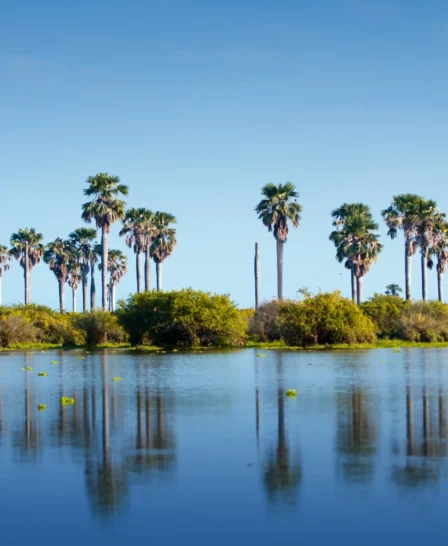
Famous for its boating safari
Contrasts well with Ruaha National Park
A Vast, Safari Wilderness
Well respected as one of Tanzania’s areas of true wilderness. Nyerere is vast and is most often combined with Ruaha National Park, but also stands alone as a destination in its own right. We design many short safaris and beach trips using this park. The northern section is the location of the park’s best camps, the majority being based on Rufiji River or one of the River’s lakes. These waterways are the lifeblood of the park and the focus of the region’s game movements.
In 2019, the Tanzanian national park authority (TANAPA) declared a change of identity of the northern sector of this reserve as a way of honouring President Julius Nyerere, the first president of Tanzania. Today, the area that stretches from the photographic sector in the north all the way to the wilderness area of the River Rufiji in the south, is known as Nyerere National Park.
Activities & Wildlife
Activities on a Nyerere National Park safari include classic 4×4 game drives, boating safaris and adventurous walking expeditions.
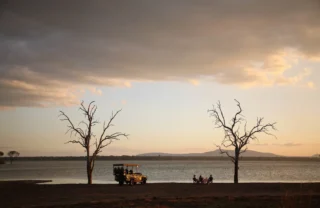
Game drives
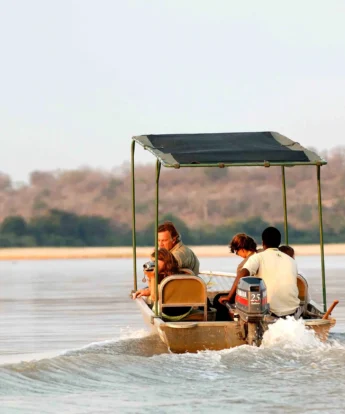
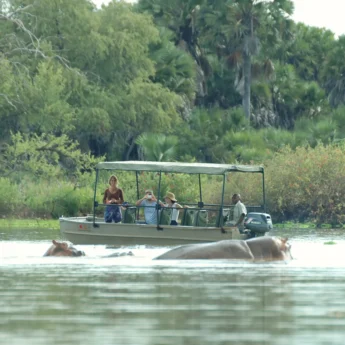
Boating safaris
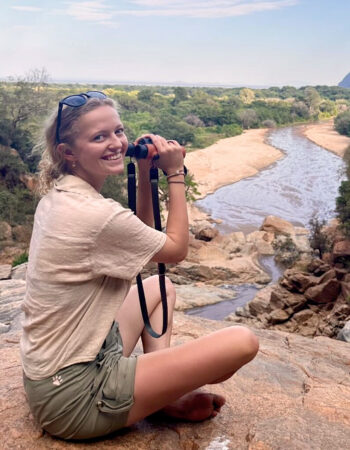
Walking safaris
Wildlife
Birdwatching
-
A classic safari game drive will showcase Nyerere’s vast ecosystem and impressive game viewing. Predator-prey sightings are particularly exciting around the rivers and lakes!

Experience Nyerere’s landscapes from a unique point of view on boating safaris. Watch as wildlife gathers along the shore and birds flit and flutter above the water.
The vast majority of camps in Nyerere National park affer walking safaris in addition to game drives, with Beho Beho and Sand Rivers offering an incredibly high standard of walking operation. Sand Rivers famous fly camping trips are some of the best walking camps in Africa, let alone Tanzania!
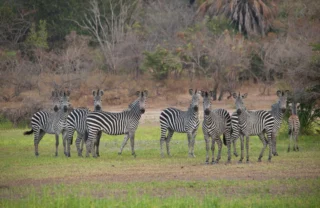
Impressive numbers of herbivores congregate on the shores of the river and its lakes, and equally impressive concentrations of predators stalk these herds! Cats include lion, leopard and cheetah. Other mammal species include hippopotamus, zebra, giraffe, sable antelope, Lichtenstein’s hartebeest, greater kudu, eland, impala, waterbuck, bushbuck, Nyasa wildebeest, kongoni – the miombo woodlands make a fantastic habitat for antelopes in particular. There are also spotted hyena, side-striped jackal, vervet monkey and yellow baboon. Nyerere boasts the largest population of wild dog in all Africa! This is one of the reserve’s main attractions.
Keen birders are in their element on a Nyerere safari, with approximately 450 species recorded! The lakes are home to all manner of waterfowl – ducks, geese, grebes, egrets, herons, bitterns, pelicans, spoonbills, kingfishers, skimmers, cormorants, storks, and ibises. Raptors include eagles, vultures, hawks, harriers, buzzards, kites, osprey. The secretary bird hunts on foot, while other ground-dwellers such as quails, guineafowl, crakes and bustards forage in the foliage. There are also gulls, plovers, doves, pigeons, lovebirds, parrots, cuckoos and bee-eaters. This is a seriously good place to be if you like your birdlife!
Africa’s largest national park, Nyerere has a focus on water-based activities, due to its many lakes and the Rufiji River. It’s a fantastic option for anyone looking to avoid the crowds and really get stuck into activities not available in the busy Northern Tanzania parks. Everything from bush walks and boating safaris to fishing and fly camping is available here. Birding and wildlife is of course especially incredible, and many properties offer long-stay discounts when combined with properties in the neighbouring park of Ruaha. I’ve personally seen dozens of giant green-eyed Nile crocodiles descend all at once into the water, like synchronised swimmers, as well as walking past lions resting on the grave of Fredrick Selous in the heart of the park near my favourite property, Beho Beho. Nyerere is a vast wilderness, with so much to do and see, and quite unlike any other park in Tanzania!Talk to someone who’s been there
Real expertise doesn’t come from a few trips to Africa. All our specialists have either been guides, run the camps, or grown up and lived in Africa. That’s over 600 years of genuine safari experience.Good to Know
01.Can I see the Big Five in Nyerere National Park?
It is theoretically possible to view the Big Five in Nyerere, however, we have only ever had a handful of clients see rhino here! There are numerous elephant and buffalo, whille lion are ever present and with hard work leopard can be found. The problem is rhino. There are a small number of black rhino in the Nyerere but due to their skittish nature and love of thick habitat, you have to be incredibly lucky to encounter one here! Reality is that this park is for the Big ‘Four’ only.
02.Where is the best game viewing in Nyerere?
The Siwandu area is the best game viewing area in the whole park. Home to Lake Manze camp and also Siwandu Camp itself this is a fantastic area to game drive in. Beho Beho, Sand Rivers and Impala can all game drive in this area at a push.
03.What are good destinations to combine with Nyerere?
Nyerere is nothing without Ruaha! Combining these two parks is common for a southern Tanzania safari; it’s a truly great safari. Nyerere is lovely and beautiful but it does lack a concentration of cats. Ruaha is all about cats – it is one of the most predator-rich parks in Africa.
04.Would you recommend visiting multiple areas in Nyerere on one trip?
If you are looking at combining two areas of the Nyerere on one trip then we would encourage you to visit the area around Siwandu with either Sand Rivers or Beho Beho.
05.When is the best time to travel to Nyerere National Park?
Nyerere is at its best from July through to October in the dry season when wildlife congregates around the rivers and lakes – herds build up in search of water and game viewing becomes significantly easier as the bush is so thin and dry. Outside of this period, game viewing can be somewhat unpredictable! From November onwards, the rains cause animals to disperse across wider areas. However, this is the time safari enthusiasts travel – happy to have less of a density of animals in return for the exclusivity of quiet camps and quiet parks. Birding is superb from November through to March!
06.What are the best accommodation options?
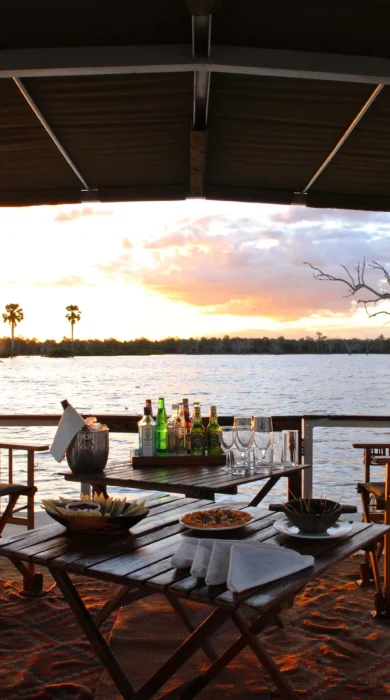
Nyerere National Park is home to a wide range of camps offering impressive safari activities including boating and walking safaris. The Siwandu Lakes and Beho Beho Hills areas are standouts for game viewing and impressive views.
Speak to an Expert
Let one of our Yellow Zebra specialists design
your tailor‑made African adventureAs Seen In