Best Time to Visit Zimbabwe
Best Time to Visit
Wild, remote, untouched… Zimbabwe is a destination for clients looking to stay away from the crowds and get off the beaten track.
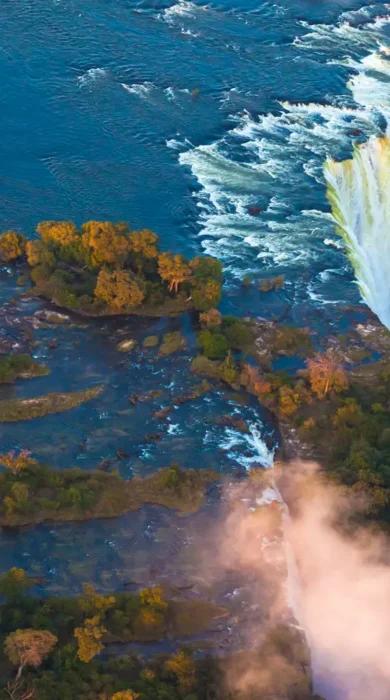
Victoria Falls is at its best (full spray) between February and July, but Zimbabwe safari peaks from June through to October. High temperatures can be a little unbearable in October, but then the rains arrive from November, and camps and lodges start to close in Mana Pools due to accessibility. The early part of the year is often mixed, with thunderstorms and rain yet also incredible birding and photography opportunities.
January

January falls in the middle of Zimbabwe’s wet season, with frequent afternoon thunderstorms and lush, green landscapes. Fewer travellers mean quieter safaris and great value. Wildlife viewing is dispersed since there is more vegetation and therefore animals no longer rely on a small number of waterholes for quenching their thirst. Birdwatching is excellent, especially for waterfowl and cranes. Some areas become inaccessible due to muddy roads, and many Mana Pools camps remain closed.
February
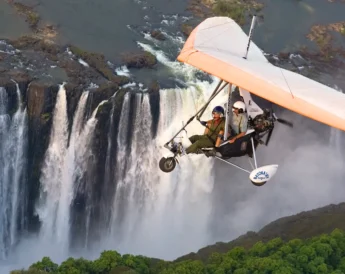
February is a mixed month for Zimbabwe; humid and very wet, with afternoon storms and lush surroundings. Travel can be difficult due to flooded dirt roads, and many Mana Pools camps stay closed. Victoria Falls may be obscured by mist, but scenic helicopter flights are spectacular. Photography is enhanced by dramatic skies. Lodges are quieter and more affordable, offering good availability despite the challenging conditions.
March
March marks the end of the rainy season in Zimbabwe. Landscapes remain lush, but rain begins to ease. Victoria Falls is at its most dramatic, with great spray rainbows and perfect viewing levels. Safari crowds are few, rates are low, and birding is excellent. It’s calving season for herbivores, ideal for photography. Many camps near Mana Pools remain closed, but some areas begin reopening later in the month.
April
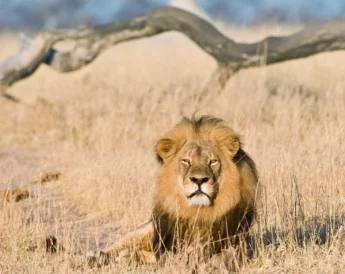
April brings fewer showers and cooler temperatures as Zimbabwe transitions into the dry season. Thick vegetation still makes wildlife viewing challenging, though elephant and rhino sightings are possible. Victoria Falls is full and dramatic, though rafting and Devil’s Pool are closed. Camp availability is good, and Mana Pools begins to reopen. Newborn animals and lush backdrops offer great photographic opportunities.
May

May kicks off the dry season in Zimbabwe with thinning vegetation and clearer skies. Wildlife viewing improves, and parks become more active with visitors. Temperatures are comfortable, and the days are sunny; perfect for photography. Victoria Falls is still powerful, though Devil’s Pool and rafting remain unavailable due to high water levels. This is a good time to travel before peak prices and crowds set in.
June

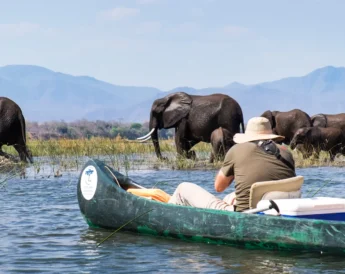
June is peak season in Zimbabwe thanks to superb wildlife viewing. Parks begin to fill, and camp rates rise. Victoria Falls is still equally as impressive, with less spray blocking the view. Canoeing in Mana Pools is at its best, and cool temperatures make safaris pleasant. Rhino tracking in Matobo Hills and elephants in Hwange are highlights, alongside crocodiles basking on the sandbanks in Matusadona.
July
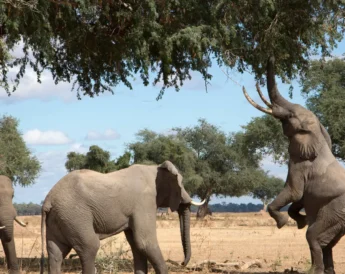
July is one of Zimbabwe’s busiest months, with large wildlife gatherings around limited water sources. Hwange is famous for big elephant herds during this month. Book early, as camps fill quickly and prices peak. Fishing on the Zambezi River or Lake Kariba is highly recommended this month, as the rivers and lakes are cleaner. Days are warm and dry, while mornings and nights can be chilly so pack layers for early game drives. It’s a prime time to see the bush at its best.
August
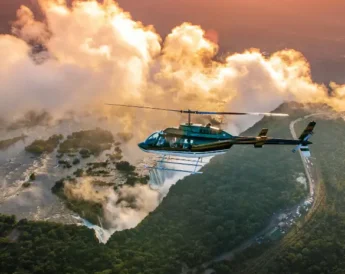
August is prime safari season with spectacular wildlife sightings and clear, dry conditions. Victoria Falls is perfect for viewing without heavy spray, and sunsets are stunning due to seasonal haze from bushfires. Parks are busy during this prime month, so book early. Temperatures rise by day but stay cool in the mornings. Excellent for photographers and nature lovers, August is one of the top months to visit.
September

September is ideal for safari in Zimbabwe, though it’s a popular and busy month, with premium prices. Hwange’s elephant herds are impressive, especially during the annual game count. Fishing on Lake Kariba or the Zambezi is rewarding, and Victoria Falls is great for rafting and scenic photos. Golden landscapes and thin vegetation make wildlife easy to spot. Expect high demand for camps and tours this month.
October
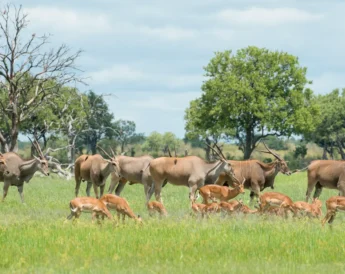
October is hot and dry, with temperatures often soaring above 35°C, which could be too hot for some travellers. Wildlife viewing is exceptional as animals cluster around remaining, limited waterholes. The first rains may arrive later in the month, offering some relief. Victoria Falls is at its lowest, so views are less dramatic. As peak season ends, accommodation availability improves, and camps may begin lowering prices for the green season.
November
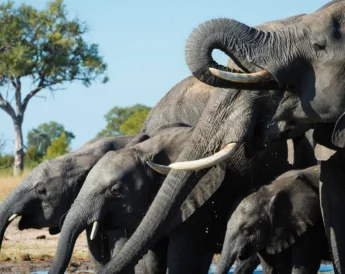
November is a transition month, with rising humidity and unpredictable rainfall, particularly towards the end of the month. Vegetation thickens, making wildlife harder to spot, and some camps in Mana Pools close. Victoria Falls has minimal flow on the Zimbabwean side, but lodges are quiet and affordable. Birdlife is plentiful, and green scenery returns. Though not ideal for game viewing, it’s a good-value time with few tourists and beautiful photographic opportunities.
December
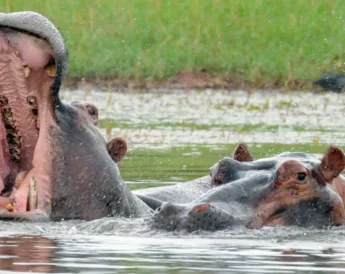
December brings Zimbabwe’s full rainy season conditions, with lush greenery and spectacular birdlife. Wildlife is harder to see due to thick vegetation and they have dispersed due to increased water sources, and road access can be limited. Many Mana Pools lodges are closed, and the humidity is high, but it’s many herbivores’ breeding season. However, parks and lodges are quiet, prices are lower, and scenery is stunning. A rewarding month for birders and photographers willing to brave the rain.