

Lake Kariba & Matusadona National Park Safari Holidays
A serene wildlife haven with a total volume of 185 cubic km, Lake Kariba is one of the largest man-made lakes in the world!
When to go to Lake Kariba and Matusadona National Park
Best Time to Go
One of the world’s largest man-made lakes
Scenic game viewing in Matusadona

A serene wildlife haven
Excellent accommodation in both areas
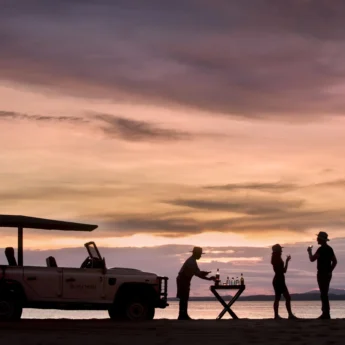
Zimbabwe’s Tranquil Lake Escape
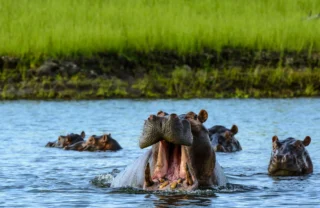
Lake Kariba is a serene wildlife haven. Abundant crocodile and hippopotamus swim its waters, among over forty species of fish under the watchful eyes of bird such as eagle and cormorant. Sport fishing is just one activity available here – others include boating and viewing the game that comes to the lake to drink, much of it from neighbouring Matusadona National Park. And there are some truly spectacular sunsets.
Activities & Wildlife
Lake Kariba and the lakeside Matsudona National Park offer serene water-based activities.
Boating & Sunset Cruises
Fishing
-
Hop aboard a motorboat or pontoon to explore the picturesque lake. Finish off the day with a scenic sunset cruise.

Lake Kariba is often described as a paradise for anglers! It’s famous for its superb tiger fishing and you’ll also find bream, catfish, and tilapia.

History
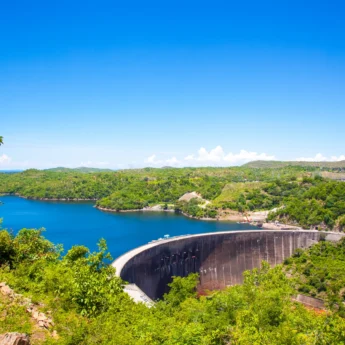
Lake Kariba was formed in the late 1950s after the Zambezi River was dammed at Kariba Gorge to generate hydroelectric power. While it’s now celebrated for its beauty and recreation, the project came at a cost. Around 57,000 Tonga people were forcibly relocated from their ancestral lands, despite deep spiritual ties to the river and their belief in Nyaminyami, the river god. During construction, storms and severe floods struck, killing dozens, and many began to believe these were signs of Nyaminyami’s wrath.
Disaster struck again once the sluice gates were closed, as the rising waters stranded thousands of animals on shrinking islands. Operation Noah was launched in response. This remarkable five-year rescue mission led by game ranger Rupert Fothergill saved over 6,000 animals. The origin of the name “Kariba” remains uncertain. Some believe it may stem from “Kariva,” meaning “trap,” a reference to either a rock formation near the dam or the mythical home of Nyaminyami beneath the water.



Talk to someone who’s been there
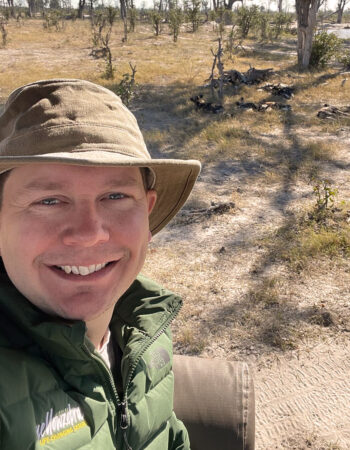
Real expertise doesn’t come from a few trips to Africa. All our specialists have either been guides, run the camps, or grown up and lived in Africa. That’s over 600 years of genuine safari experience.



Good to Know
01.
Is Matusadona National Park worth visiting?
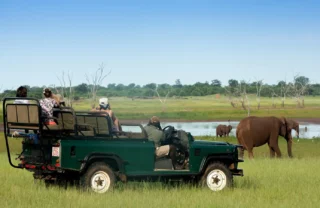
Consisting of both sprawling plains and majestic mountains, this is a very scenic area boasting immense populations of elephant, lion and buffalo. It is also a sanctuary for black rhinos. Visitors enjoy vehicle and walking safaris, rhino tracking, and excursions to a crocodile farm. Interestingly, the word Matusadona comes from ‘Matuzviadonha’, ‘falling dung’, referencing the sight of elephant excrement rolling down the park’s hills!
02.
Where to stay in Matusadona National Park?
The more interesting camps and lodges of Lake Kariba’s shoreline are located in and around Matusadona National Park. This is a truly exceptional location that works well as a stand-alone safari area, a place to relax at the end of a safari to other parts of Zimbabwe or nearby countries, or a combination of both. Whatever your reason for travelling here, you will not be disappointed!
Speak to an Expert
Let one of our Yellow Zebra specialists design
your tailor‑made African adventure