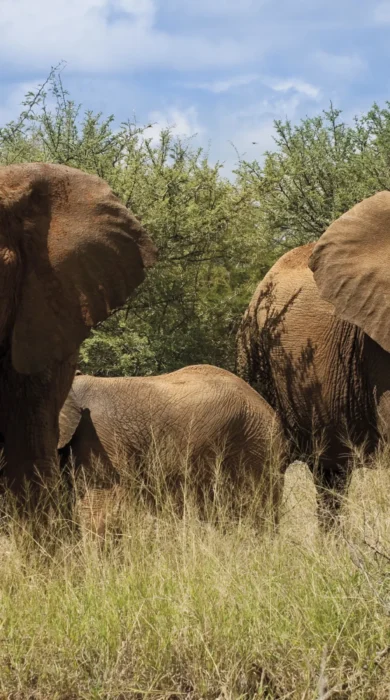
Encountering African Elephants on a Safari in Botswana
Botswana is famous for being home to the largest elephant population in Africa.
Within its reserves, including Chobe National Park and the Linyanti reserves (Kwando, Selinda, and Linyanti), there are over a hundred thousand elephant roaming freely.
Botswana has been nicknamed the ‘elephant capital of the world’ within the safari industry and for good reason, as at any given point during the high season, there can be up to 250,000 elephants in Chobe National Park alone. Travel in the dry season, and you will most certainly have your fill of spotting elephants. With the highest concentrations and biggest herds seen from June through to November, it is not uncommon to see hundreds on a game drive in certain areas.
Linyanti and Chobe National Park
Game drives, boating, and walking safaris

The largest concentration of elephants in the world
Best Time to Go

Elephants in Chobe National Park
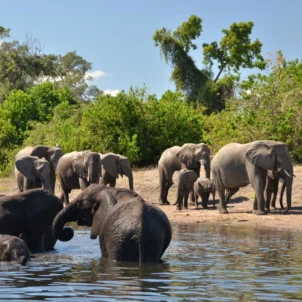
Chobe is a renowned national park and the most elephant-dense area of Botswana. However, that doesn’t mean other locations are lacking – plus, it can get quite busy during peak season. An iconic way to view elephants is on a sundowner cruise on the Chobe River. Imagine sedately floating on water, with a perfectly crisp G&T in hand, while the iridescent sunset colours fill the sky and large herds of elephants browse on the banks or swim nearby.
Elephants in the Linyanti Reserves

Another location that’s fantastic for encountering elephants in Botswana is the Linyanti. This collection of reserves offers a much more exclusive experience, plus off-road driving. Our recommended places to stay in the Linyanti would be Lagoon Camp and King’s Pool Camp as our middle- and top-end lodges – both are truly superb and located within seriously good wildlife areas. DumaTau is another recommended camp – not only are elephants found in high numbers in this region between July and August, but DumaTau has a ‘floating deck’ where guests can sit out on the water and marvel as these magnificent animals cross the waterway in front of them.
Related Trips

Related Lodges
-

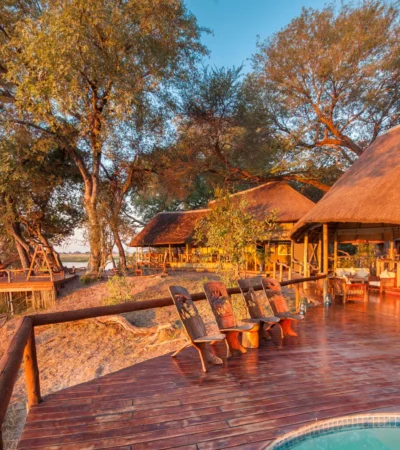
Lagoon Camp
From AU$2,205 – AU$2,940 ppWithin northern Botswana’s vast Kwando Reserve, Lagoon is one of only two camps sharing 232,000 hectares of private wilderness, known for its substantial wild dog population. Game drives explore the seemingly endless riverine forest, while the camp’s…
-
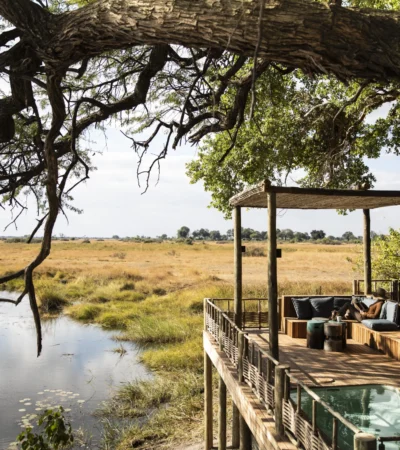
Wilderness King’s Pool Camp
From AU$2,629 – AU$4,962 ppWilderness King’s Pool is a high-end camp occupying a beautiful position on the Linyanti River within the remote 125,000-hectare Linyanti Wildlife Reserve. The river creates a border between Botswana and Namibia, and the camp’s location, neighbouring…
-
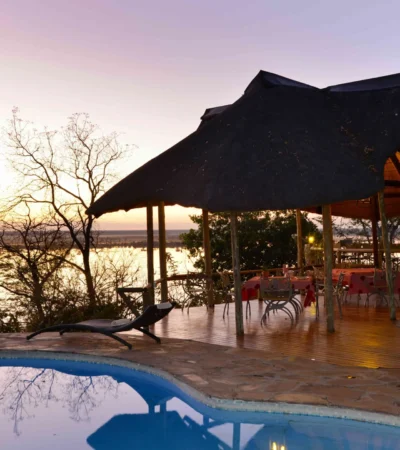
Muchenje Safari Lodge
From AU$1,117 – AU$1,371 ppMuchenje Safari Lodge is a no-frills, great-value safari lodge with epic views of the Chobe river and an excellent base from which to explore Chobe National Park and its surrounds. Privately owned and run, with a focus on first-rate guiding and a diverse…