
Maasai Mara National Reserve
The Maasai Mara National Reserve is a must-see! This beautiful reserve offers safari experiences for first-timers and old hands-alike.
When to go to Maasai Mara National Reserve
Best Time to Go
Classic ‘movie-like’ safari landscape
Home to The Great Migration
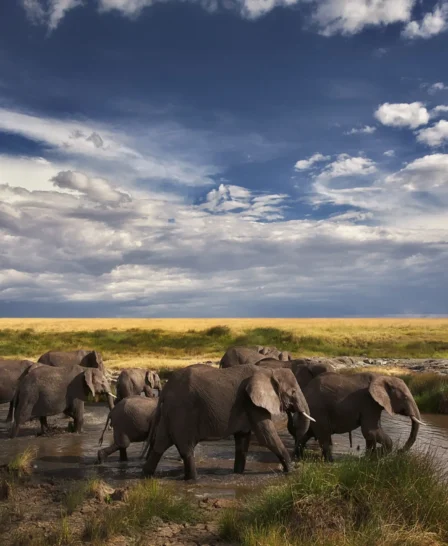
The most famous safari park in Kenya
A range of exceptional activities

Iconic Safari Landscapes
The Maasai Mara (also known as ‘Masai Mara’) Game Reserve comprises 1,500 sq. km of seemingly endless plains of short sweet grasses, ample feeding for the region’s plentiful herbivores. Two rivers, the Mara and the Talek, race through Maasai Mara National Reserve in Kenya providing sustenance for a wide range of wildlife. And the Mara, of course, is host to the most spectacular sights of the world-famous Great Migration!
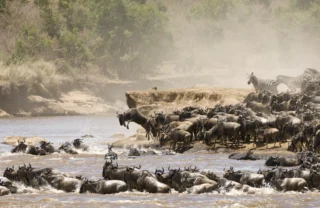
Yes, this is Great Migration country. The migration may not take a specific route as it progresses from the Serengeti through the Loliondo, Moru Kopjes, Seronera, Grumeti and Ikorongo regions, for it is steered by factors such as the location of the best grasses and the prevalence of predators. Nevertheless, the arrival of wildebeest, zebra, gazelle, eland and impala in the Maasai Mara is guaranteed – as is the crossing of these animals over the swift-flowing Mara River!
Maasai Mara National Reserve Trips



Activities & Wildlife
From classic game drives and hot air balloon trips, to authentic cultural excursions, experience the many facets of the Mara.
The Big Five and wildlife
The Great Migration
Birdlife
Hot air balloon safaris
Cultural and community visits
-
The Big Five can be seen in the Maasai Mara all year round, with rhino numbers slowly increasing over the last few decades. The Mara is one of the best places in East Africa to see the Big Five, with predator densities so high that many wildlife documentaries are filmed here.
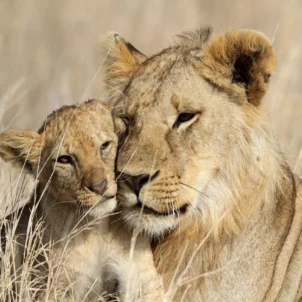
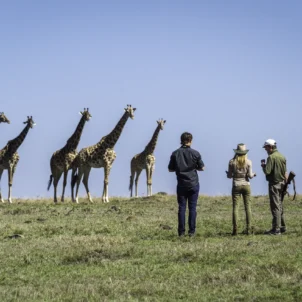
The Mara is famous for its big cat population, where huge prides of lion roam the plains. Other carnivores include cheetah, hyena, jackal, serval, wild dog, and bat-eared fox. With these resident predators around, there are plenty of hunts to be witnessed here on safari. There are numerous antelopes too, while the Maasai giraffe is the world’s tallest land mammal and another exciting sighting in the Mara!

From July to October, the Maasai Mara plains host an extra 1.5 million wildebeest and hundreds of thousands of zebra and gazelles, as the herds of the Great Migration make their way into the park. Theirs is an annual migration through the Serengeti and into the Mara, following the rains in search of the most nutritious grasses. The migration action peaks with the famous river crossings, when the herds must brave the crocodile-infested waters of the Mara River. This is safari at its most dramatic. They cross in shimmering unison, but it’s the decision to cross that can take some time to make! Then, when one wildebeest takes the plunge, the herd immediately follows, in one of nature’s greatest spectacles. They generally cross back and forth for around four months. If you’re visiting the Mara for the river crossings, it’s important to choose a camp that gets you away from the crowds, as it can be a popular time of year.
The Maasai Mara is a haven for birdlife, home to over 470 resident and migrant species. Approximately 60 of these are raptors, including eagles, kites, harriers, hawks, falcons, and kestrels. You’ll find ostrich here too, in addition to herons, egrets, bitterns, grebes, pelicans, cormorants, ibises, spoonbills, rails, crakes, secretary birds, and the glamorous crowned crane.
If you are serious about birding, then the green season (November–April) is the best time to visit. There’s an abundance of insects and fruit for the birds to eat during these months, and bird plumage can often change to become more dazzling in the breeding season. Conditions for photography are better too, with many colorful species standing out against the verdant foliage. Birds are most active at dawn, making this the best time for guided birding safaris.
The Mara is one of the best places in Africa to enjoy a hot air balloon safari over the plains, just as the sun rises. It’s a very early start to make sure your 1-hour flight coincides perfectly with the dawn. From the air, you get a breathtaking, 360-degree panoramic view across the African savanna. Below you, herds of animals move across the landscape while you float serenely above – and in season, you can get a completely new perspective of the Great Migration’s herds as you pass above them. To complete this memorable experience, on descent you’ll be served a champagne breakfast on the open plains. Please note, this experience needs to be pre-booked and is available at an additional cost.
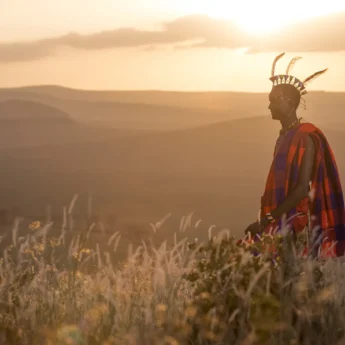
Visiting authentic Maasai villages and meeting the locals is often one of the most rewarding things you can do while on safari. Maasai hospitality is legendary, with dancing and singing, including the famous adumu (jumping dance). Visitors are encouraged to join in! You can buy beads and handmade crafts directly from the villagers. You will learn about their way of life, which has gone on for centuries and is very different from our own. Each camp will have a village that they’re in partnership with on the borders of the park. This immersive cultural experience, carried out authentically, is one our specialists highly recommend.
Our Favorite Camps
-
Wilderness Mara
Enquire for pricing Contact Us for pricing detailsThis is major news, given the property’s longstanding status as one of the finest camps in the Maasai Mara with a truly splendid location. Indeed, Wilderness Mara is the only camp that allows guests to access both sides of the Mara River, guaranteeing an…
-
Serian the Original
From $1,380 – $1,670 ppSerian the Original scores plenty of points from Yellow Zebra. It really is a very family-friendly property – and great for groups as well! Check out our page on Nkorombo Serian if you are thinking of combining the two.
-
Kicheche Bush Camp
From $900 – $1,230 ppKicheche Bush Camp really is the ultimate bush camp. Fabulously located in a game-rich conservancy, it offers ample wildlife-viewing opportunities – with the added draw of a professional photographer! A top-quality property.
-
Governors Camp
From $620 – $1,000 ppService standards at Governors’ are generally exceptional, as the camp prides itself on a personal, attentive and friendly approach. With over forty years’ experience, the camp is rightly confident in its ability to provide memorable experiences! We recommend…
-
Naibor Camp
From $850 – $1,250 ppWe believe Naibor Camp is a great option for travelers who would like a peaceful place to base themselves while in the Maasai Mara. This is truly the finest in luxury safari!
-
Offbeat Mara
From $800 – $1,080 ppOffbeat Mara Camp is a friendly, unpretentious camp with plenty of character and a fine location in the Mara North Conservancy. Bordering Kenya’s infamous Maasai Mara National Reserve, the area boasts wildlife densities that are truly epic. Night drives are…
-
Governors’ Il Moran Camp
From $920 – $1,590 ppGovernors’ Il Moran consists of just ten tents, spaced along the banks of the river. These are very similar to the tents at Governors’ Camp, but with one clear distinction – they are absolutely massive!
-
Angama Mara
From $1,870 – $2,770 ppAngama Mara is a world-class safari lodge with an enviable location high above Kenya’s iconic Mara Triangle, recognisable from some of the scenes filmed in Out of Africa. The Swahili word ‘Angama’ means ‘to be suspended in mid-air’, aptly so, given the…
History
The Maasai became well established in the region during the late seventeenth century. The next hundred years or so brought the ravages of civil war and livestock diseases, followed by further devastation as the first European hunting safaris swept through in the decades before the First World War. However, in 1948 the area known now as the Mara Triangle was designated a game reserve and the land and its people began to recover. Further prohibitions concerning hunting were laid down in 1961. Today the Maasai Mara is rightly described as the heartland of Maasai culture in Kenya and is among the best African safari destinations.
The Maasai Mara is the birthplace of safaris – where vibrant culture meets some of the wildest nature on Earth. It’s more than the Great Migration – wildlife here is year-round. I’d recommend staying in the surrounding conservancies, which offer a quieter, more intimate experience than the main reserve – and with Maasai heritage deeply rooted in the land, this is safari in its purest form.Talk to someone who’s been there
Real expertise doesn’t come from a few trips to Africa. All our specialists have either been guides, run the camps, or grown up and lived in Africa. That’s over 600 years of genuine safari experience.Good to Know
01.When is the best time to travel to the Maasai Mara National Reserve?
The best time to visit is from July to October. Depending on the arrival of the rains, the Great Migration river crossings take place at this time, and massive herds make the perilous crossing. These dramatic scenes make it an incredibly popular time of year to travel here.
Speak to an Expert
Let one of our Yellow Zebra specialists design
your tailor‑made African adventureAs Seen In