Best Time to Visit Tanzania
Best Time to Visit
Tanzania is the envy of most safari countries, as you can visit this destination all year round. However, the best time to visit for wildlife is during the dry season, between June and October, particularly for the peak of the wildebeest migration.
January

January marks the start of Tanzania’s short dry season, though afternoon showers remain possible. Accommodation availability is high and rates are low. It’s also the beginning of the Great Migration calving season, attracting predators. The landscape is lush and green, teeming with migratory birds. However, wildlife viewing in the southern parks can be challenging due to dense vegetation.
February
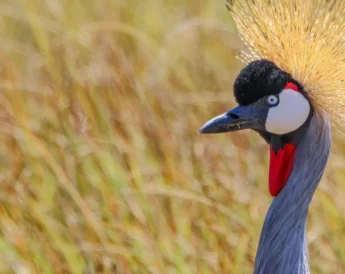
February in Tanzania is hot and dry, making it a great time to visit with fewer crowds and lower rates. It’s the peak of the wildebeest calving season, drawing intense predator activity. Birding is excellent, especially in Nyerere and Ruaha. Lush landscapes offer ideal conditions for photographing newborns. Zanzibar experiences its hottest weather during this time.
March

March in Tanzania marks the beginning of the long rains, making it one of the wettest months. Tropical afternoon downpours are common, so waterproofs are essential. The landscape is lush with blooming flowers and dramatic skies, perfect for photography. Fewer tourists mean excellent availability and great value at lodges and camps that stay open during this quiet season.
April
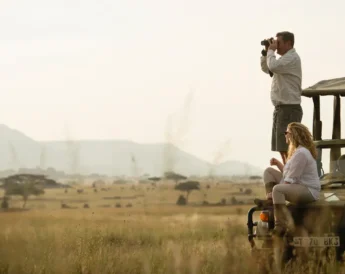
April is the peak of Tanzania’s wet season, with long rains bringing high humidity and mosquitoes. Most properties in the southern and western parks are closed or inaccessible. However, prices are significantly reduced; sometimes half of high season rates. Despite the weather, it’s a great time for photography, with migration herds and their young moving through the lush, rain-soaked landscapes.
May

May in Tanzania marks the end of the long rains, with drier conditions emerging late in the month. It’s an excellent time to witness the Great Migration as herds move north. Zanzibar experiences its heaviest rainfall, birdwatchers can enjoy sightings of migratory species. The Serengeti offers fantastic wildlife photography opportunities, with dramatic skies and dynamic animal movement enhancing every shot.
June
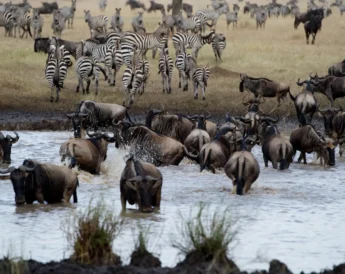
June marks the start of Tanzania’s dry season, bringing clear skies, sunshine, chilly mornings, and cool evenings. It’s a fantastic month for both safari and beach vacations, with little to no rain and fewer mosquitoes. Wildlife viewing is excellent as animals gather near water sources and the bush thins out. A key highlight is the wildebeest crossing the Grumeti River.
July

July is one of the best times to visit Tanzania, with dry, warm weather and outstanding wildlife viewing. It’s peak season, so booking early is essential. Wildlife highlights include the Great Migration in the Serengeti, chimpanzees in Mahale, and elephants in Tarangire. As the driest month, July sees little rain, though dusty roads and crowded areas are common.
August

August is the ultimate month for wildlife viewing in Tanzania, with dry, warm days and cool nights; perfect safari weather. Wildlife gathers at dwindling water sources, offering exceptional sightings. While the north is popular, the south remains quieter yet equally rewarding. Highlights include large elephant herds in Tarangire and overall superb game viewing across the country’s top parks.
September
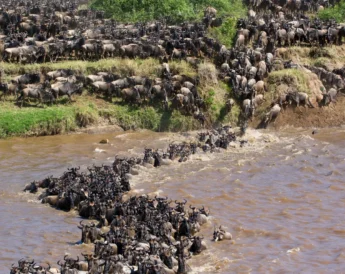
September marks the end of Tanzania’s dry season, with wildlife densely gathered around water sources. The Great Migration begins its return from Kenya, offering a chance to witness dramatic river crossings. Northern parks like Serengeti and Ngorongoro can be crowded, but southern parks remain quieter and are ideal for avoiding the crowds. It’s also a top month to climb Mount Kilimanjaro.
October
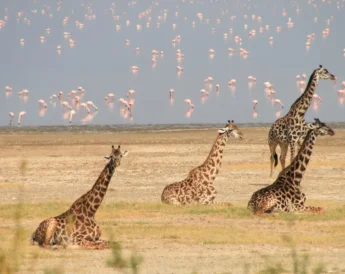
October is a fantastic time to visit Tanzania for both safari and beach vacations, with warm, clear days and the chance of rain later in the month. The mega-herd is spread across the northern Serengeti and Maasai Mara, while wildlife gathers around limited water sources. Peak season continues, so availability is limited and rates are high in the main parks.
November
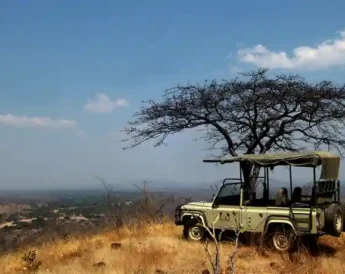
November brings the start of Tanzania’s short rains, mostly falling overnight. With fewer tourists, property availability is good and rates are lower. It’s a key month for the Great Migration as herds move toward the southern short-grass plains. November also offers excellent chances to see whale sharks off Mafia Island. Rising humidity brings more mosquitoes during this time.
December
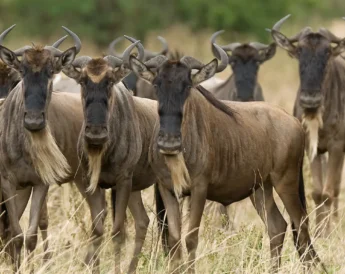
December marks the start of Tanzania’s emerald season, with increasingly lush landscapes and large wildebeest herds preparing for calving across the Serengeti. It’s a popular vacation destination, so early booking is essential. Birders can enjoy thousands of migratory species arriving. Meanwhile, Zanzibar experiences hot, dry, and humid weather, with temperatures soaring into the early 40s.