
Best Time to Visit Namibia
Best Time to Visit
Go for the adventure, scenery, wonderful isolation, and stunning accommodation in some of the world’s remotest corners.
As Namibia is so remote and wondrously off the well-worn tourist trail, it can often be difficult to plan a safari yourself, especially when considering which month to travel. Namibia starts to get uncomfortably hot from October, and game viewing is severely affected by the short yet violent rainy season from December to March. The best wildlife viewing is available in winter, from June to August.
January
Namibia’s midsummer brings hot days with clear mornings and stormy afternoons. Wildlife disperses due to abundant water, making game viewing harder. Early January sees limited availability, but mid-month brings lower rates and more options. Flamingos gather in large numbers at Walvis Bay near Swakopmund, offering superb birdwatching. It’s not the best time for safaris, but scenery and birdlife are rewarding.
February
Namibia’s wettest month is hot, humid, and best suited to birders and wildlife photographers. Flamingos fill Swakopmund’s lagoons, and the Caprivi Strip hosts hundreds of bird species. Calving season and baby meerkats add appeal, but safaris, especially in Etosha, are less productive. Some may find the rain challenging, but fewer crowds and lush scenery offer a quieter, more atmospheric visit.
March
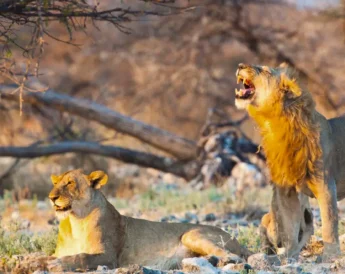
March is the late wet season, with lush greenery, baby animals, and migratory birds still present. Game viewing remains limited due to widespread water sources. It’s a good time for wildlife photography, particularly with young animals. Easter can increase demand, but overall, rates are low and availability is good. A quieter time to enjoy Namibia’s beauty before the dry season begins.
April

April marks the shift toward the dry season, with cooler nights and wildlife beginning to cluster around shrinking water sources. Desert areas are especially scenic with blooming flora. It’s a comfortable month weather-wise, though late rains are still possible. If Easter falls in April, camps may book quickly. A great month for photographers seeking vibrant desert landscapes and fresh greenery.
May

May is a shoulder season with dry, warm days and chilly nights. Wildlife viewing improves steadily as parks dry out and visibility increases. Post-rain greenery lingers, adding beauty to the landscapes; ideal for photography and balloon rides. Accommodation fills up far in advance as travelers take advantage of mild weather and lower rates. A rewarding and popular time to visit.
June
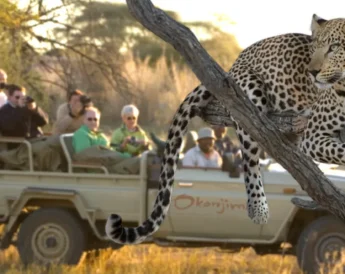
June kicks off Namibia’s dry, peak season. Wildlife sightings improve significantly as animals concentrate around waterholes. Stargazing is excellent, and photography is superb, especially in Sossusvlei’s dramatic dunes. Prices rise toward month end due to school vacations, and lodges start filling up fast. It’s cool and clear, making it one of the best months for comfortable, high-quality safaris.
July

Dry, cool, and busy, July is peak season with exceptional wildlife sightings, especially in Etosha, where animals gather at waterholes. Walking and vehicle safaris offer excellent visibility due to sparse vegetation. Stargazing is phenomenal, especially in Namibia’s Dark Sky Reserve. High prices and limited availability mean early booking is essential. The Skeleton Coast and towering dunes are also excellent at this time of year.
August

August is a prime safari month with crystal-clear skies, excellent game viewing, and incredible photography opportunities. Etosha is at its peak, though it can feel crowded. Early mornings and evenings are cold, so warm layers are needed. Booking in advance is strongly recommended, as it’s one of the most popular times to travel. Wildlife and landscape photography are both outstanding.
September

September offers top-tier wildlife viewing as temperatures rise and crowds begin to thin post-school vacations. Etosha remains a highlight, and photography conditions are superb with clear skies and minimal dust. Light clothing by day and warm nightwear are recommended. Mosquitoes are minimal. A great month for travelers seeking excellent safaris without the high-season crowds of July and August.
October
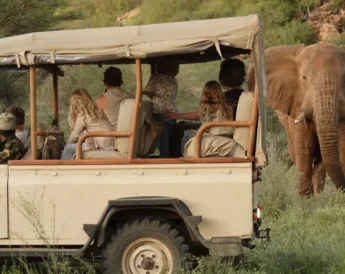
The last month of dry season, October, is incredibly hot and dusty, but wildlife viewing is excellent as animals cluster tightly around dwindling water sources. Lion sightings are especially strong. Coastal excursions, like whale and dolphin watching, offer cooler relief. Stargazing is ideal with clear skies. Despite harsh midday conditions, it’s a highly productive time for game drives and dramatic photographs.
November

A shoulder-season month, November brings changeable weather; hot days, thunderstorms, and occasional cloud cover. Early in the month, wildlife still gathers around waterholes, especially in Damaraland and Etosha. Flamingos flock to Walvis Bay, and birding is excellent. As the rains begin, animals start to disperse. Travel is more affordable, and properties are less crowded, though the heat can be intense.
December

December ushers in the wet season, with hot, humid days and afternoon showers. Game viewing declines as animals spread out, but birdwatching thrives – especially around Walvis Bay and the Caprivi Strip. Lodges are quieter, and rates drop, though it’s Namibia’s school vacations, so shops may close. While safaris are limited, lush landscapes and birdlife offer a peaceful, off-peak experience.