
Kunene River Safaris
The Kunene River region of Namibia is one of our favorite places in Africa. This fly-in destination is home to some of the most amazing scenery in the country, as well as boating safari and cultural experiences with the nomadic Himba tribe.
When to go to Kunene River
Best Time to Go
One of our favorite regions in Africa
Excellent boating safaris
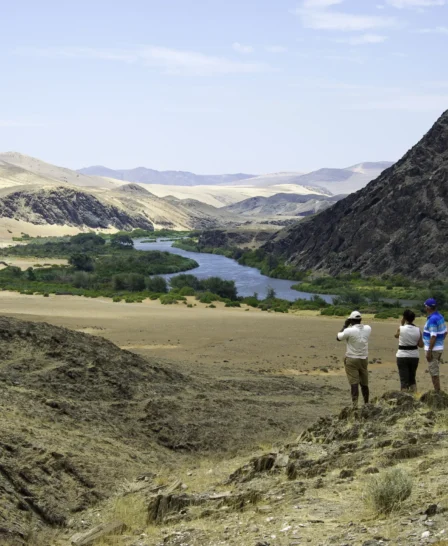
Some of the most amazing scenery
Cultural experiences with the Himba Tribe
A True Wilderness Area
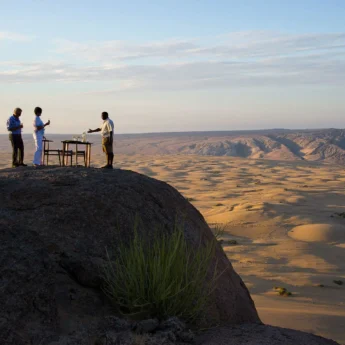
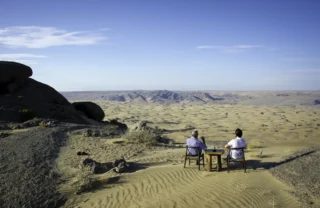
The sublime Kunene region, often referred to as Kaokoland, is one of the remotest places in which we operate safaris. It is an absolutely magical part of Africa, the setting to some of our finest trips. Running down to the sea, the Kunene River brings life to an area dominated by sand dunes and rocky sand-covered mountains. The northern bank of the Kunene stretches into Angola. It is an extremely dramatic, harsh environment that is home to absolutely jaw-dropping scenery. Kunene is home to the Himba, a nomadic people and one of Africa’s most interesting tribes. The river is the lifeblood of the region and supports an amazing diversity of wildlife.
Kunene is one of the last true wilderness areas – words do not do it justice. Without any doubt, this is one of the finest experiences in Africa.
Activities & Wildlife
Kunene offers a different kind of safari experience. Adventurous, off the beaten track, and full of raw natural beauty, a visit here goes beyond traditional game viewing.
Scenic drives
Cultural excursions with the Himba tribe
Wildlife tracking on foot
Boating
Other activities
-
Lying just to the north of the Skeleton Coast is the sparse and remote region of Kunene. It’s a great place to see desert-adapted elephant and black rhino. The verdant banks of the Kunene River sit in direct contrast with the rugged and parched lands surrounding it. Vast open plains, mountain ranges featuring ancient gorges and dry valleys, are the norm here!
This lush, riverine oasis acts as a magnet for thirsty animals and birds, including giraffe, cheetah (also found on the plains), and black rhino. The Kunene River is the only permanent water source for miles around, making it essential to all life in the region.

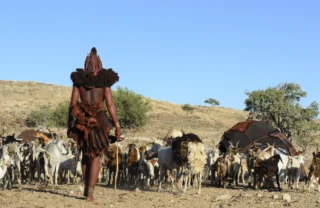
This is the land of the Himba. Theirs is one of the few remaining semi-nomadic tribes still in existence. Cultural interactions are truly unique and authentic. Few people visit this part of the world, fewer live here. You can learn about the tribe’s culture, history, and way of life.
Overall, this is a respectful glimpse of how a nomadic people function, from their diet to their mud-and-dung homesteads and methods of cattle farming despite the harsh conditions.
The Himba women have famous skin routines using red ochre, arrange their hair in intricate styles, and make jewellery by hand. You can purchase their handicrafts on a trip to see them. Of all the cultural experiences you can have in Africa, this is among the most profound and authentic.
There are many different ways to get around while staying in Kunene. There’s the classic 4×4 vehicle, quad bikes (at certain lodges), by boat, or on foot. To best understand and see the minutiae of desert life, a guided walk is often the best way to travel! Your guide will explain rudimentary tracking, pointing out plants, insects, and lizards that are often missed from a vehicle. Your guide will use their tracking skills to try to locate wildlife, as well as teach you about the geological history of the area. Photographic opportunities are excellent in this part of Namibia, with light playing off the region’s incredible, natural, stony architecture.
River cruises are a lovely calm way to watch wildlife come to drink at the riverbanks. Alternatively, some areas of the Kunene River are perfect for the more intrepid, offering white water rafting over rapids. Boating here is mainly a gentle affair, and allows you to get closer to the wildlife that comes to the river.
Never has the impact of a river been more obvious to see. The banks of the Kunene are green with plant life, and an amazing contrast to the parched wasteland just metres away! Boating is a great way to see birdlife, and with over 300 species recorded in the area, there’s plenty happening. Riverine species include the giant kingfisher, herons and egrets, the African darter, and the formidable African fish eagle.
With zero light pollution, the night sky is at its most impressive in the desert. Here you can experience stargazing like never before, with some lodges offering stargazing tuition. You can visit Epupa Falls, where the Kunene River cascades over a series of rocky ledges. Go to Twyfelfontein, where there is a large collection of ancient rock artworks. Enjoy hiking trips to Epupa Falls and along the Kunene River, where the birdlife is particularly good. And aboard a 4×4 you can go farther afield, exploring remote and more rugged locations such as the stunning valleys of Hartmann and Marienfluss.
Talk to someone who’s been there
Real expertise doesn’t come from a few trips to Africa. All our specialists have either been guides, run the camps, or grown up and lived in Africa. That’s over 600 years of genuine safari experience.Good to Know
01.Is it expensive to visit Kunene River?
It is very expensive to travel up here and stay in comfort. The mobile expeditions you can do are certainly for the adventurous, and a good length of time is needed. Our top tip, therefore, is to keep this place as a special-occasion trip and save up! You will not be disappointed.
02.What are the best accommodation options?
There are very few lodges up here. However, as with the Skeleton Coast National Park, those that operate in Kunene are some of the very best we recommend. Wilderness Serra Cafema is the most luxurious option, whereas the Schoemans’ Skeleton Coast Safaris are for the more adventurous at heart. Both companies are very high-end, but rewards for paying some of the highest prices in the country are reaped through enjoying some of the continent’s best experiences.
Speak to an Expert
Let one of our Yellow Zebra specialists design
your tailor‑made African adventureAs Seen In