Queen Elizabeth National Park
Queen Elizabeth National Park is the most popular park in Uganda. It is situated in the country’s western region and encompasses four districts.
When to go to Queen Elizabeth National Park
Best Time to Go
A tapestry of diverse landscapes
Home to tree-climbing lions

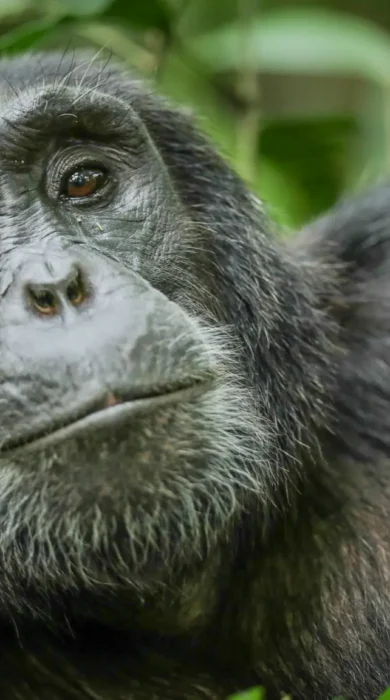
Chimp tracking in Kyambura Gorge
Uganda’s most visited National Park

Uganda’s Premier Safari Destination
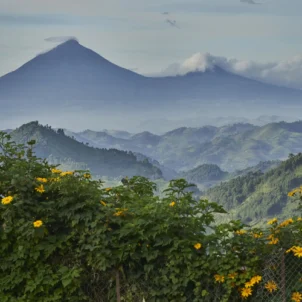
It is with good reason that Queen Elizabeth National Park receives more visitors than any other park in Uganda. This immense area – 1,978 square kilometers – includes the game reserves of Kigezi and Kyambura, the Maramagambo forest, the two large lakes of George and Edward, and the Kazinga Channel, which links the lakes together. There are volcanic cones too, and craters. And this variety of geographical features naturally results in a fine assortment of wildlife. It is accessed via flight or road transfer from Entebbe International Airport, and is approximately 400 kilometers from Uganda’s capital city, Kampala.
*The FCDO currently warns against travel to certain parts of the Queen Elizabeth National Park; please speak to a specialist about your travels. Our experts on the ground will update this if the situation changes in the future.
Queen Elizabeth National Park Trips

Activities & Wildlife
Discover Queen Elizabeth National Parks diverse wildlife and birdlife on safari excursions including game drives and guided walks.
Wildlife
Birdlife
Game Drives and Boat Rides
-
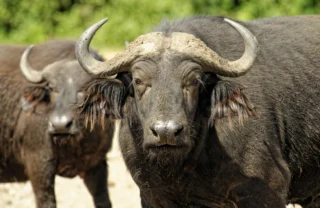
In total, Queen Elizabeth National Park contains five distinct types of vegetation: savanna grassland, forest grassland, acacia woodland, swampland, and lakeland. Almost a hundred species of mammal and over six hundred species of bird are in residence here. The mammal count includes lion, leopard, elephant, buffalo, hyena, black-and-white colobus monkey, hippo, crocodile, waterbuck, topi, warthog, and giant forest hog. A major highlight is the tree-climbing lions within the park’s Ishasha sector, often seen resting in big fig trees. Another is the chance to track chimpanzee in the eastern reaches of the park.

Keen birders can look out for martial eagle, great flamingo, pink-backed pelican, shoebill stork, African skimmer, Chapin’s flycatcher, black-rumped buttonquail, and papyrus canary.
Head out on 4×4 game drives with a knowledgeable guide to see Queen Elizabeth National Park’s resident wildlife. Or, take a boat trip along the Kazinga Channel to spot wildlife and colourful birdlife along the short, in the water and above the waves.
History
On its founding in 1952 the park was known as Kazinga National Park, but its name was changed just two years later following a visit from the UK’s current monarch Queen Elizabeth II. Since 2009 it has been twinned with Queen Elizabeth Country Park of the South Downs in England. The Queen Elizabeth Parks Project focuses on conservation and promotes caring for wildlife within local communities, including schools! It supports the work of the park rangers in both Uganda and the UK.
Talk to someone who’s been there
Real expertise doesn’t come from a few trips to Africa. All our specialists have either been guides, run the camps, or grown up and lived in Africa. That’s over 600 years of genuine safari experience.Good to Know
01.What are the best accommodation options?
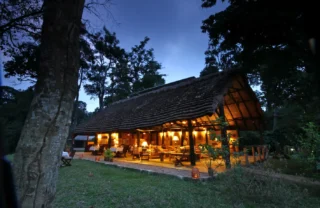
Queen Elizabeth National Park has a range of accommodation to suit all tastes and budgets. Our property pages provide adventurous, classic, and luxury options.
Speak to an Expert
Let one of our Yellow Zebra specialists design
your tailor‑made African adventureAs Seen In