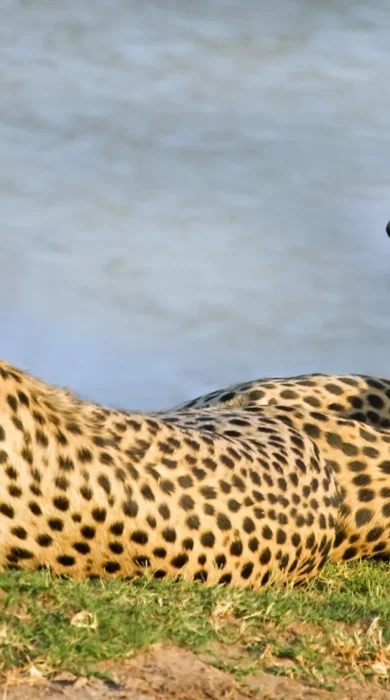
Hwange National Park Safaris
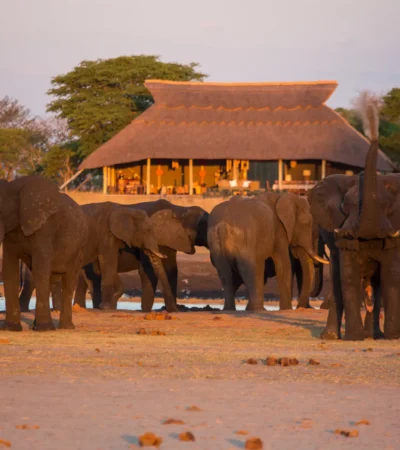
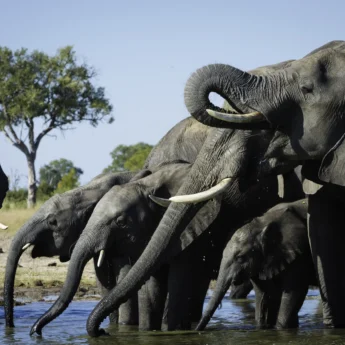
A wildlife haven, Hwange is home to huge herds of elephant and over 108 species of mammal. It is also Zimbabwe’s largest park.
When to go to Hwange National Park
Best Time to Go
Zimbabwe’s largest National Park
Over 400 species of bird
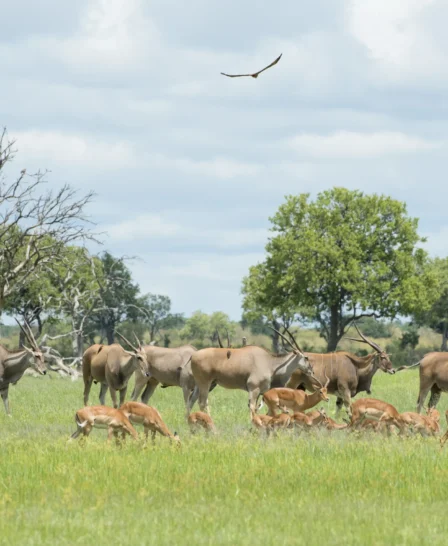
Home to big game and unique wildlife
Famous for high-quality guiding

Big Game & Vast Landscapes
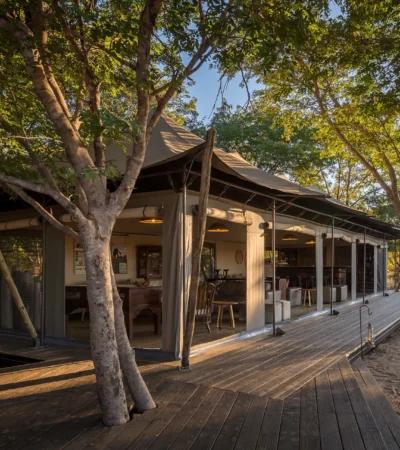
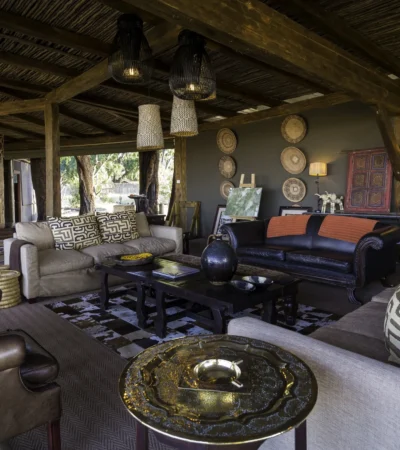
Hwange National Park comprises almost 15,000 sq. km of predominantly Rhodesian teak and mopane woodlands rising from sands of the Kalahari desert, at its western border, in addition to verdant seasonal wetlands and lofty ilala palms. It is approximately an hour south of Victoria Falls. Despite its challenges, past and present, Hwange is rightly described as a wildlife haven – and it has a lot to offer as a safari destination. Both the wilderness trails and the dams in the area afford excellent game viewing, and guests choose from an excellent assortment of safari camps and lodges.
Hwange National Park Trips


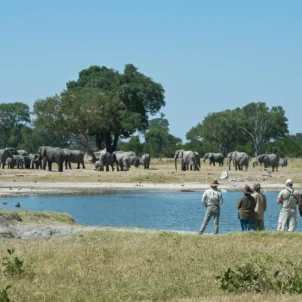


Activities & Wildlife
As Hwange National Park is home to some incredible big game and unique wildlife, activities include safari classics like game drives and bush walks.
Wildlife
Game drives
Night drives
Walking safaris
Visit a local village
-
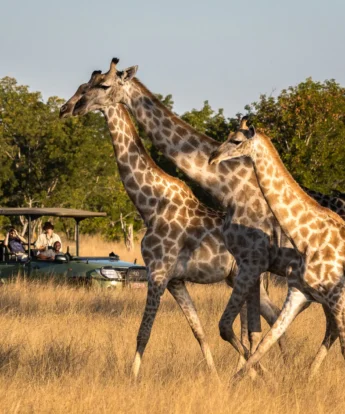
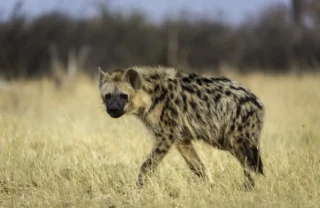
In addition to the impressive elephant herds, Hwange also accommodates amazing numbers of wild dog among its 108 species of mammal – including lion, leopard, cheetah, buffalo, giraffe, waterbuck, warthog, baboon, jackal, bat-eared fox and the rare brown hyena. Bird life is prolific too, with over 400 species!

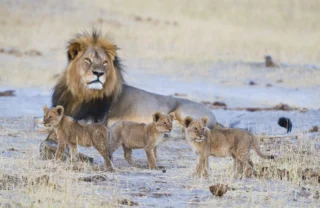
Guided game drives typically take place in the early morning and in the late afternoon, when the resident wildlife is at its most active. Among the wildlife highlights in Hwange are all Big Five – lion, rhino, leopard, elephant, and buffalo – and elephant concentrations are especially impressive. Smaller mammals in residence include cheetah, hyena, jackal, wild dog, giraffe, wildebeest, zebra, a thrilling assortment of antelopes, and hippo.
Spot nocturnal animals and predators on a night drive. Camp’s situated in private concessions can offer vehicle safaris by night. These showcase the nocturnal species in the area, such as serval, aardvark, porcupine, hyena and lion!
Depending on the camp, walking safaris are possible. Walks are great for getting to know the smaller lives of Hwange, for example the park’s plants, insects, and birdlife, which is outstanding. If you are interested in a walking safari in Hwange, don’t hesitate to ask a member of the team.
Some lodges offer cultural village visits, guided by a villager or a local guide.
Our Favourite Camps
-
Wilderness Little Makalolo
From C$1,067 – C$1,926 ppWilderness Little Makalolo (affectionately known as ‘Little Mak’) is an absolute gem from the Wilderness portfolio. Few places do authentic safari in a luxurious setting like Little Mak. Its location, in a private concession within Hwange, gives you great…
-
Hwange Bush Camp
From C$873 – C$1,137 ppHwange Bush Camp is privately owned and run. It’s a semi-permanent camp, taken down every November and put up again in readiness for the beginning of May. Occupying a remote location, it’s able to offer superb safari experiences! The accommodation is booked…
-
Wilderness Davison’s
From C$832 – C$1,358 ppWilderness Davison’s is a great-value tented camp in Hwange’s ecologically diverse Linkwasha Concession. Here, year-round water sources attract an abundance of wildlife—from large herds of elephant and buffalo to predators like lion, leopard, cheetah, and…
-
Camp Hwange
From C$762 – C$1,497 ppStaff members here are committed to their work and have a passion for authentic safari. Altogether, they aim to ensure ‘a safari to remember’. Not only is the guiding great here – the food is excellent too!
-
Wilderness Linkwasha
From C$1,164 – C$2,453 ppCome and treat yourself to one of the finest camps and game-rich private reserves in Zimbabwe. Solar powered Wilderness Linkwasha has a modern but luxurious design that feels like home. Enjoy the variety of game from foot in one of the best safari hides we…
-
Verney’s Camp
From C$1,206 – C$1,788 ppVerney’s Camp, opened in May 2018, is owned and run by Machaba Safaris, whose portfolio includes Yellow Zebra favorite Machaba Camp. The accommodation is usually booked on a full-board basis, including all meals, a selection of alcoholic and soft drinks, all…
-
Bomani Tented Lodge
From C$915 – C$1,234 ppBomani is a great option for travellers hoping to get off the well-worn tourist trail and to become acquainted with the remoter parts of Hwange. We applaud Imvelo’s conservation and social investments, which make for a very ethical approach to tourism!
-
The Hide Safari Camp
From C$721 – C$1,261 ppThe Hide continues to be privately owned and run by the Prestons – with great success! Staff members are friendly and knowledgeable. The lodge offers excellent African cuisine featuring filling farmhouse breakfasts, lunches and dinners around a vast teak…
History
Prior to achieving game reserve status in 1928 and national park status in 1961, Hwange was first home to the Nhanzwa, the San bushmen. Indeed, its name derives from that of a Nhanzwa chief. During the nineteenth century, it formed the hunting ground of King Mzilikazi – and wildlife also came under threat from white hunters seeking trophies such as ivory.
Even recently (2011 and 2013), there have been incidents of poaching here, but these have triggered greater endeavours to protect the park. Elephant continue to thrive in huge herds, their total population one of the largest worldwide! And the park’s shortage of water is well addressed by man-made waterholes, dams and boreholes, especially during the dry winter months. The organisation Friends of Hwange ensures a constant supply via regular servicing of the pumps, using private donations.
Hwange National Park is rich in wildlife, home to high populations of elephant and lion. It is also one of the few parks in Zimbabwe where cheetah can be found. What I love about this park is the waterholes that are dotted around, which attract plains game and large mammals, particularly in the dry season. Some of these waterholes have a photographic hide next to them, which provides some incredible photography opportunities!Talk to someone who’s been there
Real expertise doesn’t come from a few trips to Africa. All our specialists have either been guides, run the camps, or grown up and lived in Africa. That’s over 600 years of genuine safari experience.Speak to an Expert
Let one of our Yellow Zebra specialists design
your tailor‑made African adventureAs Seen In